


DC solenoid valves are essential components in modern fluid control systems, playing a crucial role in industries ranging from manufacturing to healthcare. These electromechanical devices use direct current (DC) to control the flow of liquids or gases, offering precise and reliable operation in various applications.
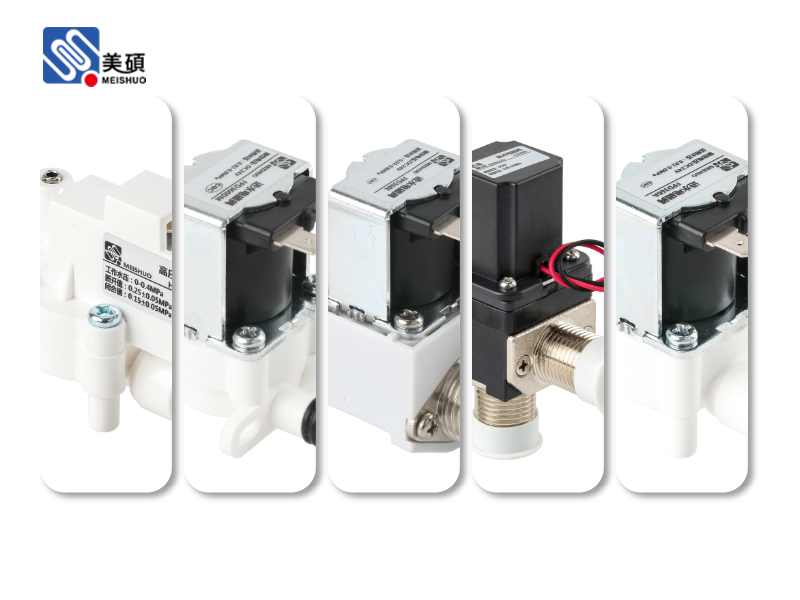
At its core, a DC solenoid valve consists of a coil, a plunger, and a valve body. When electrical current is applied to the coil, it creates a magnetic field that pulls the plunger, which in turn opens or closes the valve. This mechanism allows for quick response times, typically in milliseconds, making DC solenoid valves ideal for applications requiring rapid actuation.
One of the key advantages of DC solenoid valves is their efficiency. Unlike AC solenoid valves, DC versions consume less power and generate less heat, making them suitable for battery-powered or low-power applications. Additionally, DC solenoid valves often have a longer lifespan due to reduced coil wear and tear.
DC solenoid valves find applications across a wide range of industries. In the automotive sector, they are used in fuel injection systems, transmission control, and emission control systems. In the medical field, they play a critical role in devices like dialysis machines and diagnostic equipment, where precise fluid control is essential.
Industrial automation is another major application area for DC solenoid valves. They are used in pneumatic and hydraulic systems to control the flow of air or hydraulic fluid, enabling automated processes in manufacturing plants. Their reliability and fast response time make them ideal for high-speed production lines.
When selecting a DC solenoid valve, several factors should be considered. These include the operating pressure, flow rate requirements, fluid compatibility, and environmental conditions. Proper sizing and selection ensure optimal performance and longevity.
Maintenance of DC solenoid valves is relatively straightforward. Regular inspection of the coil, plunger, and valve body can help prevent issues such as sticking or leakage. Cleaning and lubrication, when necessary, can extend the lifespan of the valve.
In conclusion, DC solenoid valves are versatile and reliable components that play a vital role in modern fluid control systems. Their efficiency, fast response time, and wide range of applications make them an essential choice for engineers and technicians across various industries. As technology continues to advance, we can expect further improvements in the design and performance of DC solenoid valves, making them even more indispensable in the years to come.

 Chat Oline