


Water flow control is a critical aspect of modern plumbing and irrigation systems, and plastic water flow control valves have emerged as a versatile and cost-effective solution for regulating water flow in various applications. These valves play a crucial role in ensuring efficient water management, preventing waste, and maintaining optimal pressure levels in residential, commercial, and industrial settings.
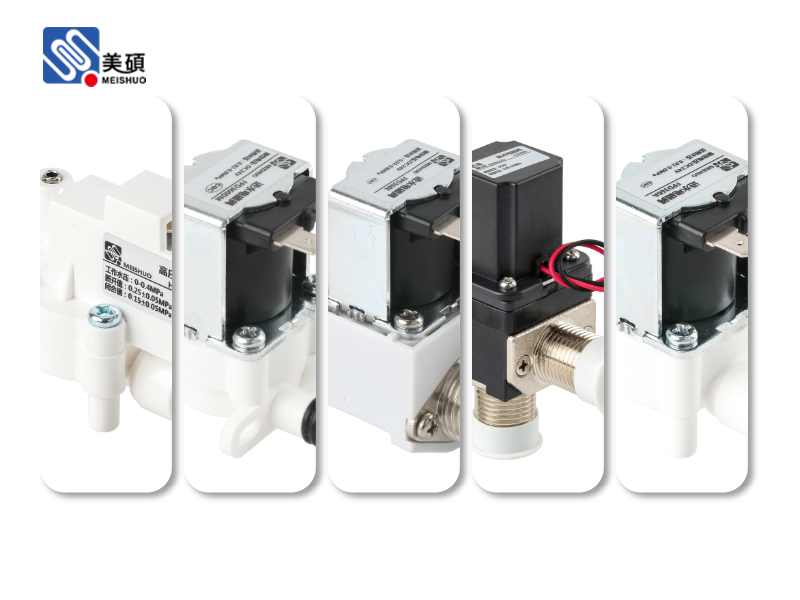
Plastic water flow control valves are designed to regulate the flow rate of water through pipes by opening, closing, or partially obstructing the passageway. Unlike their metal counterparts, these valves are typically made from durable plastics such as PVC, CPVC, or polypropylene, which offer several advantages including corrosion resistance, lightweight construction, and cost-effectiveness. The use of plastic materials also makes these valves ideal for applications where chemical resistance is required, such as in water treatment plants or agricultural irrigation systems.
One of the key benefits of plastic water flow control valves is their versatility. They can be used in a wide range of applications, from simple residential plumbing systems to complex industrial processes. In residential settings, these valves are commonly used in faucets, showerheads, and irrigation systems to control the flow of water and prevent leaks. In commercial and industrial environments, they are employed in cooling systems, chemical processing plants, and water treatment facilities to maintain precise flow rates and pressure levels.
Another advantage of plastic water flow control valves is their ease of installation and maintenance. Unlike metal valves, which can be heavy and require specialized tools for installation, plastic valves are lightweight and can be easily installed using basic plumbing tools. Additionally, plastic valves are less prone to corrosion and rust, which means they require less maintenance over their lifespan. This makes them a cost-effective choice for both short-term and long-term applications.
When selecting a plastic water flow control valve, it is important to consider several factors including the intended application, flow rate requirements, and pressure ratings. Different types of valves are designed for specific purposes, such as ball valves for on/off control, gate valves for throttling flow, and butterfly valves for large-scale applications. It is also important to choose a valve that is compatible with the type of water being used, as some plastics may not be suitable for certain chemicals or high-temperature environments.
In recent years, there has been a growing emphasis on water conservation and sustainability, which has increased the demand for efficient water flow control solutions. Plastic water flow control valves play a vital role in this effort by enabling precise control over water usage, reducing waste, and improving overall system efficiency. For example, in irrigation systems, these valves can be programmed to deliver the exact amount of water needed for different plants, ensuring optimal growth while minimizing water consumption.
In conclusion, plastic water flow control valves are an essential component of modern water management systems. Their durability, versatility, and cost-effectiveness make them an ideal choice for a wide range of applications. Whether you are a homeowner looking to upgrade your plumbing system or an industrial engineer designing a complex water treatment facility, understanding the benefits and applications of plastic water flow control valves is crucial for achieving efficient and sustainable water management.

 Chat Oline