


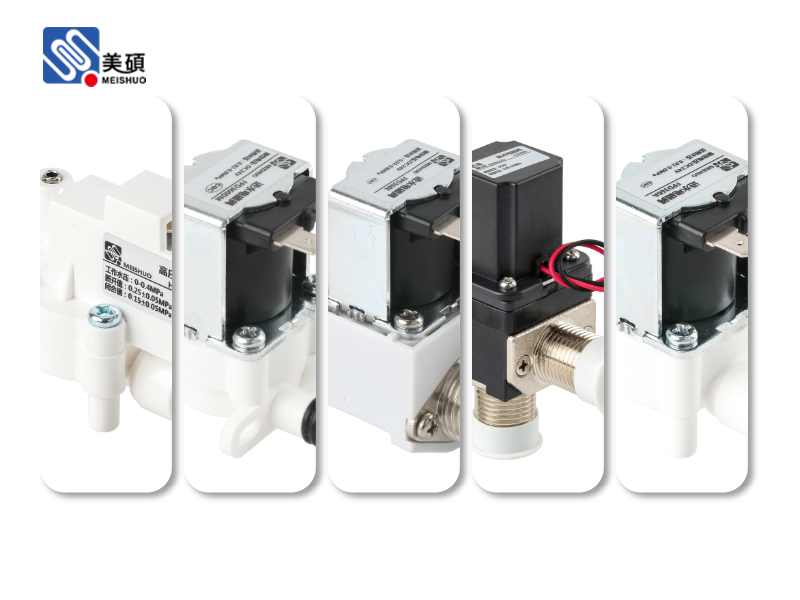
Plastic solenoid valves have emerged as a game-changer in fluid control systems across various industries. These innovative components combine the precision of solenoid technology with the lightweight, corrosion-resistant properties of advanced plastics, making them ideal for applications where traditional metal valves fall short.
One of the key advantages of plastic solenoid valves is their exceptional chemical resistance. Unlike metal valves that can corrode or react with aggressive fluids, plastic valves are impervious to most chemicals, acids, and bases. This makes them particularly well-suited for pharmaceutical manufacturing, chemical processing, and water treatment applications where fluid purity and system integrity are critical.
The lightweight nature of plastic solenoid valves also offers significant benefits in terms of installation and maintenance. Their reduced weight simplifies handling during installation, reduces structural load on piping systems, and makes maintenance tasks more manageable. This is especially valuable in industries where equipment is frequently moved or reconfigured, such as in food and beverage processing or laboratory environments.
Another important feature of plastic solenoid valves is their cost-effectiveness. While initial investment may be comparable to metal alternatives, the long-term savings in maintenance and replacement costs are substantial. Plastic valves require less frequent maintenance, have longer service lives in corrosive environments, and are generally easier to replace when necessary.
In terms of performance, plastic solenoid valves offer precise control over fluid flow with quick response times. The solenoid actuation mechanism allows for rapid opening and closing, making them ideal for applications requiring precise timing and control, such as in automated industrial processes or medical equipment.
The design flexibility of plastic solenoid valves is another notable advantage. Manufacturers can mold plastic components into complex shapes and configurations that would be difficult or expensive to achieve with metal. This allows for the creation of custom valve solutions tailored to specific application requirements, whether it's a unique flow path, special connection type, or compact form factor.
When selecting a plastic solenoid valve, several factors should be considered. These include the type of fluid being controlled, operating pressure and temperature ranges, required flow rate, and environmental conditions. It's also important to ensure compatibility with the specific plastic material used in the valve construction, as different plastics offer varying levels of chemical resistance and temperature tolerance.
In recent years, advancements in plastic materials and manufacturing processes have further enhanced the capabilities of plastic solenoid valves. New high-performance polymers offer improved mechanical strength, higher temperature resistance, and better overall durability, expanding the range of applications where these valves can be used.
The adoption of plastic solenoid valves is growing across numerous industries. In the medical field, they are used in diagnostic equipment, drug delivery systems, and laboratory instrumentation. In the food and beverage industry, their corrosion resistance and ease of cleaning make them ideal for processing lines. In water treatment plants, they help control the flow of chemicals and treated water with precision and reliability.
As industries continue to demand more efficient, reliable, and cost-effective fluid control solutions, plastic solenoid valves are poised to play an increasingly important role. Their unique combination of properties makes them a versatile choice for a wide range of applications, from simple on/off control to complex fluid management systems.
In conclusion, plastic solenoid valves represent a significant advancement in fluid control technology. Their chemical resistance, lightweight design, cost-effectiveness, and performance capabilities make them an attractive alternative to traditional metal valves in many applications. As material science and manufacturing techniques continue to evolve, we can expect to see even more innovative uses for these versatile components in the years to come.

 Chat Oline