


In the intricate web of modern fluid management systems, one component quietly performs its duty with precision and reliability - the water solenoid valve. This unassuming device plays a critical role in numerous applications, from residential plumbing to industrial processes, yet its importance is often overlooked. Understanding the functionality, applications, and benefits of water solenoid valves is essential for anyone involved in fluid control systems.
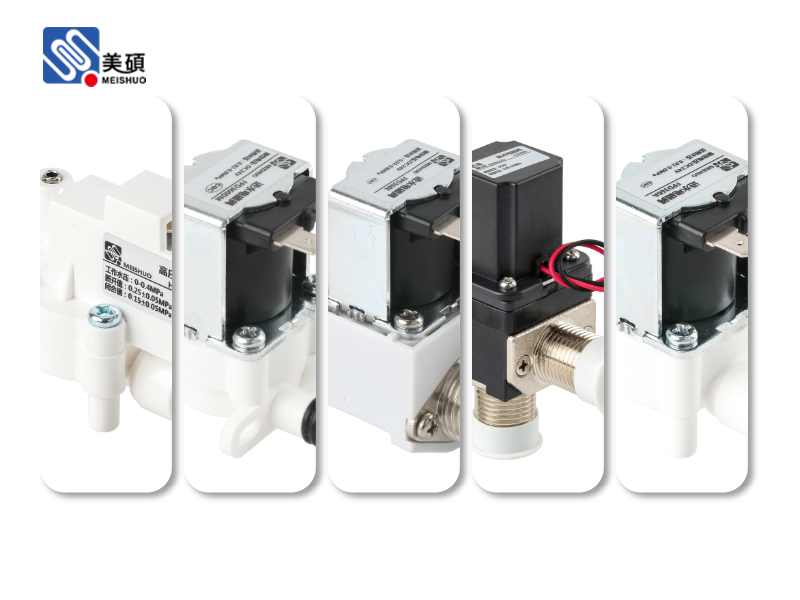
A water solenoid valve is an electromechanical device designed to control the flow of water through a pipe. It consists of three main components: a valve body, an electromagnet, and a plunger. When an electric current is applied to the electromagnet, it creates a magnetic field that pulls the plunger, opening or closing the valve mechanism. This simple yet effective design allows for remote and automated control of water flow, making it an indispensable component in various systems.
The versatility of water solenoid valves is evident in their wide range of applications. In residential settings, they are commonly found in irrigation systems, where they enable automated watering schedules based on time or environmental conditions. They also play a crucial role in washing machines, dishwashers, and other household appliances, ensuring precise water flow and efficient operation. In commercial and industrial environments, water solenoid valves are used in HVAC systems, fire protection systems, and manufacturing processes, where they provide reliable and rapid response to control signals.
One of the key advantages of water solenoid valves is their ability to provide precise control over water flow. Unlike manual valves, which require physical manipulation, solenoid valves can be controlled remotely through electrical signals, allowing for integration with automated systems. This not only improves efficiency but also enhances safety by enabling rapid shut-off in emergency situations. Additionally, solenoid valves are known for their durability and long service life, making them a cost-effective choice for many applications.
When selecting a water solenoid valve, several factors must be considered. The type of valve, such as normally open or normally closed, depends on the specific application requirements. The material of the valve body and seals is also important, as it must be compatible with the water quality and temperature. Flow rate, pressure rating, and electrical specifications are other critical factors that determine the suitability of a solenoid valve for a particular application.
In conclusion, the water solenoid valve is a vital component in modern fluid control systems, offering precise, reliable, and automated control of water flow. Its versatility and efficiency make it an essential tool in residential, commercial, and industrial settings. By understanding the functionality and applications of water solenoid valves, engineers and technicians can make informed decisions when designing and maintaining fluid management systems, ensuring optimal performance and longevity.

 Chat Oline