


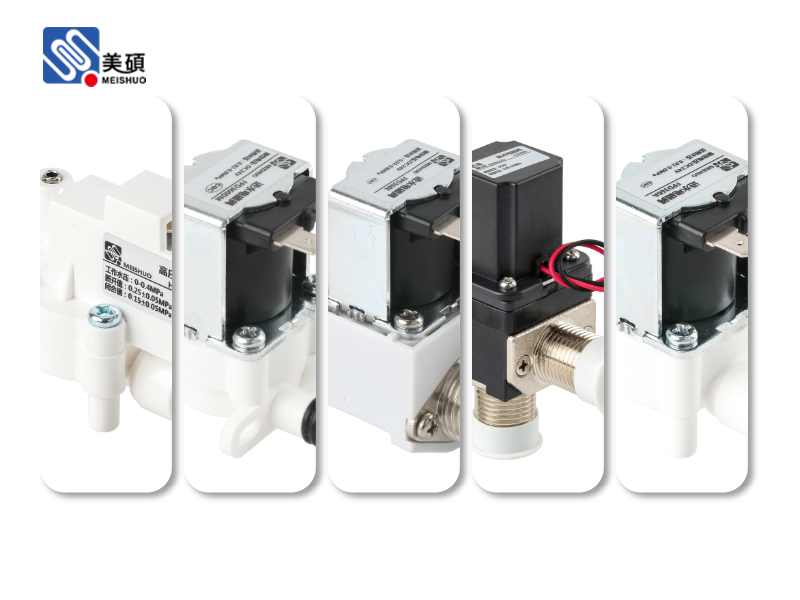
PP solenoid valves, short for polypropylene solenoid valves, are essential components in fluid control systems across various industries. These valves are designed to regulate the flow of liquids and gases by using an electromagnetic coil to control the opening and closing of a valve mechanism. The use of polypropylene as the main material gives these valves unique properties that make them ideal for specific applications.
One of the key advantages of PP solenoid valves is their exceptional chemical resistance. Polypropylene is known for its ability to withstand a wide range of corrosive substances, including acids, bases, and organic solvents. This makes PP solenoid valves particularly suitable for industries such as chemical processing, water treatment, and pharmaceutical manufacturing, where exposure to harsh chemicals is common. Unlike metal valves, which can corrode over time and compromise system integrity, PP valves maintain their structural integrity even in aggressive environments.
Another significant benefit of PP solenoid valves is their lightweight construction. Polypropylene is a lightweight material, making these valves easier to handle and install compared to their metal counterparts. This not only simplifies the installation process but also reduces the overall weight of the system, which can be crucial in applications where weight is a concern, such as in portable equipment or aerospace systems.
The design of PP solenoid valves also contributes to their reliability and efficiency. The solenoid coil, when energized, creates a magnetic field that moves a plunger, which in turn opens or closes the valve. This mechanism allows for precise control over fluid flow, enabling operators to adjust flow rates with high accuracy. Additionally, the quick response time of solenoid valves makes them suitable for applications that require rapid on/off control, such as in automated manufacturing processes.
In terms of applications, PP solenoid valves are widely used in water treatment plants for controlling the flow of chemicals used in purification processes. They are also employed in the food and beverage industry, where their chemical resistance and non-toxic properties make them safe for handling food-grade fluids. In the pharmaceutical sector, PP valves are used to control the flow of various reagents and solvents, ensuring the integrity of the production process.
Maintenance of PP solenoid valves is relatively straightforward. Due to their corrosion-resistant properties, these valves require less frequent replacement compared to metal valves. Regular inspection and cleaning can help prolong their lifespan, ensuring optimal performance over time. It is important to follow the manufacturer's guidelines for maintenance to prevent any potential issues and ensure the valve operates efficiently.
When selecting a PP solenoid valve, several factors should be considered. These include the type of fluid being controlled, the operating pressure and temperature, the required flow rate, and the environmental conditions. It is essential to choose a valve that is compatible with the specific application to ensure reliable performance. Consulting with a valve expert or manufacturer can help in selecting the right PP solenoid valve for a particular system.
In conclusion, PP solenoid valves offer a range of benefits that make them a valuable component in fluid control systems. Their chemical resistance, lightweight construction, and precise control capabilities make them suitable for a wide variety of applications across different industries. By understanding the unique properties and applications of PP solenoid valves, businesses can make informed decisions when selecting valves for their systems, ensuring efficiency, reliability, and cost-effectiveness in their operations.

 Chat Oline