


In the world of industrial automation, the performance and reliability of components directly impact operational efficiency, maintenance costs, and overall productivity. Among the critical components that keep industrial processes running smoothly, solenoid valves play a vital role in controlling fluid flow. While standard solenoid valves serve their purpose, those designed for long service life offer distinct advantages that can transform industrial operations. This article explores the importance, benefits, and applications of long service life solenoid valves, highlighting why they are becoming an essential investment for industries seeking to optimize performance and minimize downtime.
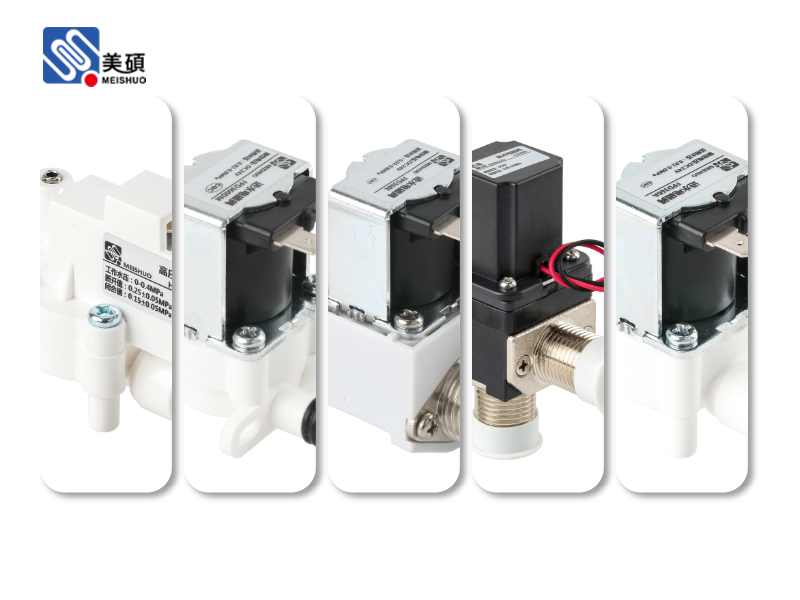
Long service life solenoid valves are engineered to withstand the rigors of continuous operation, harsh environments, and frequent cycling. Unlike conventional valves that may require regular replacement or maintenance, these valves are built with durability in mind. The key to their extended lifespan lies in several design and material choices. High-quality materials such as stainless steel, brass, and PTFE are used for critical components, ensuring resistance to corrosion, wear, and chemical damage. Additionally, advanced sealing technologies, such as reinforced elastomers or metal-to-metal seals, prevent leaks and maintain performance over time. These valves also often feature low-friction internal mechanisms and optimized coil designs, reducing energy consumption and heat generation, which further contributes to their longevity.
The benefits of investing in long service life solenoid valves are multifaceted. First and foremost, they significantly reduce maintenance costs and downtime. Frequent valve replacements not only incur direct costs but also disrupt production schedules, leading to lost revenue. With a valve that can operate reliably for years without failure, industries can enjoy uninterrupted processes and lower operational expenses. Moreover, these valves enhance safety by minimizing the risk of leaks or malfunctions that could lead to accidents or environmental hazards. In industries such as oil and gas, chemical processing, and water treatment, where fluid control is critical, the reliability of solenoid valves is paramount. Long service life models provide the peace of mind that comes with knowing critical systems will function as intended, even under demanding conditions.
Another advantage of long service life solenoid valves is their energy efficiency. By reducing the frequency of valve replacements and minimizing the need for maintenance, these valves contribute to a more sustainable operation. Additionally, their optimized design often results in lower power consumption, which can lead to significant energy savings over time. For industries aiming to reduce their carbon footprint and comply with environmental regulations, this is an important consideration.
The applications of long service life solenoid valves are diverse and span across various industries. In the manufacturing sector, they are used in automated assembly lines, where precise fluid control is essential for product quality and consistency. In the automotive industry, these valves play a role in fuel systems, transmission control, and emissions management. The food and beverage industry relies on them for hygienic fluid handling, where durability and reliability are crucial to maintaining product safety. In the pharmaceutical sector, long service life solenoid valves are used in drug manufacturing processes, ensuring sterile and precise fluid control. Even in harsh environments such as mining or offshore operations, these valves can withstand extreme temperatures, pressure fluctuations, and corrosive substances, making them ideal for challenging applications.
When selecting a long service life solenoid valve, several factors should be considered. First, it is important to assess the specific application requirements, including fluid type, pressure, temperature, and flow rate. Different valves are designed for different media, such as water, oil, gas, or corrosive chemicals, so choosing the right material and construction is essential. Additionally, the operating environment, including humidity, vibration, and exposure to contaminants, should be taken into account. It is also advisable to look for valves with certifications and compliance with industry standards, such as ISO, CE, or NSF, to ensure quality and reliability. Finally, working with a reputable supplier who can provide technical support and after-sales service is crucial to maximizing the valve's performance and lifespan.
In conclusion, long service life solenoid valves are a valuable investment for industries looking to improve operational efficiency, reduce maintenance costs, and enhance safety. Their durable design, advanced materials, and optimized performance make them suitable for a wide range of applications, from manufacturing to oil and gas. By choosing these valves, businesses can enjoy the benefits of reliable fluid control, minimized downtime, and long-term cost savings. As industrial processes continue to evolve and demand higher levels of performance, the importance of long service life solenoid valves will only grow, solidifying their position as a critical component in modern industrial automation.

 Chat Oline