


AC solenoid valves are integral components in modern industrial automation systems, quietly performing essential functions that keep countless processes running smoothly. These electro-mechanical devices control the flow of liquids, gases, and other media by converting electrical energy into mechanical motion, making them indispensable in a wide range of applications.
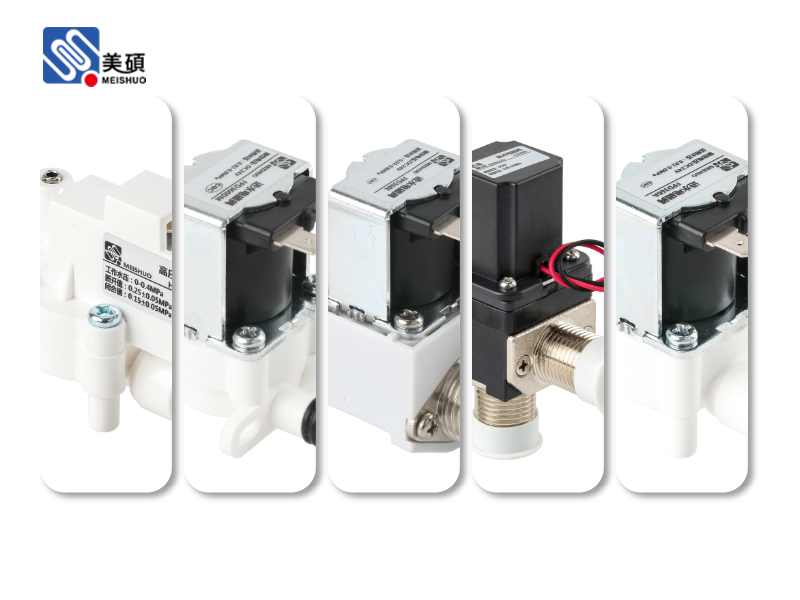
At its core, an AC solenoid valve consists of a coil, plunger, and valve body. When an alternating current is applied to the coil, it creates a magnetic field that pulls the plunger, opening or closing the valve. The AC power supply provides a continuous alternating magnetic field, which ensures the plunger remains in position as long as power is applied. This design offers several advantages over DC solenoid valves, including higher power density and simpler design, making them suitable for high-flow and high-pressure applications.
One of the key benefits of AC solenoid valves is their ability to handle large volumes of fluid with minimal power consumption. The alternating current creates a self-sustaining magnetic field that maintains the valve in its open or closed position without requiring constant high current. This energy efficiency is particularly valuable in industrial settings where cost savings and sustainability are critical considerations.
AC solenoid valves find applications in diverse industries, from manufacturing and automotive to HVAC and water treatment. In manufacturing, they control the flow of hydraulic and pneumatic fluids in assembly lines, ensuring precise and efficient operation. In the automotive industry, they regulate fuel flow, emissions control systems, and braking mechanisms. HVAC systems use AC solenoid valves to control refrigerant flow, while water treatment plants rely on them to manage chemical dosing and water distribution.
The design of AC solenoid valves has evolved significantly over the years, with advancements in materials and manufacturing techniques improving their performance and durability. Modern valves feature corrosion-resistant materials, such as stainless steel and brass, which extend their lifespan in harsh environments. Additionally, innovations in coil design have reduced energy consumption and improved response times, making AC solenoid valves even more efficient and reliable.
Despite their widespread use, AC solenoid valves are often overlooked in discussions about industrial automation. However, their role in ensuring the smooth operation of complex systems cannot be overstated. From controlling the flow of materials in factories to regulating environmental systems in buildings, these valves are the unsung heroes of modern technology.
As industries continue to embrace automation and digitalization, the demand for reliable and efficient AC solenoid valves is expected to grow. Manufacturers are investing in research and development to create even more advanced valves that can handle higher pressures, temperatures, and flow rates while maintaining energy efficiency. This ongoing innovation will further solidify the position of AC solenoid valves as essential components in the industrial landscape.
In conclusion, AC solenoid valves play a crucial role in modern industrial automation, providing reliable and efficient control over fluid flow in a wide range of applications. Their ability to convert electrical energy into mechanical motion, combined with their durability and energy efficiency, makes them indispensable in today's industrial systems. As technology continues to advance, AC solenoid valves will remain at the forefront of innovation, driving progress in manufacturing, transportation, and environmental management.

 Chat Oline