


Reverse osmosis (RO) systems have revolutionized water purification, providing clean, safe drinking water to millions of households and industries worldwide. At the heart of these systems lies a small but crucial component: the RO solenoid valve. This unassuming device plays a vital role in controlling water flow, ensuring the efficient operation of RO systems.
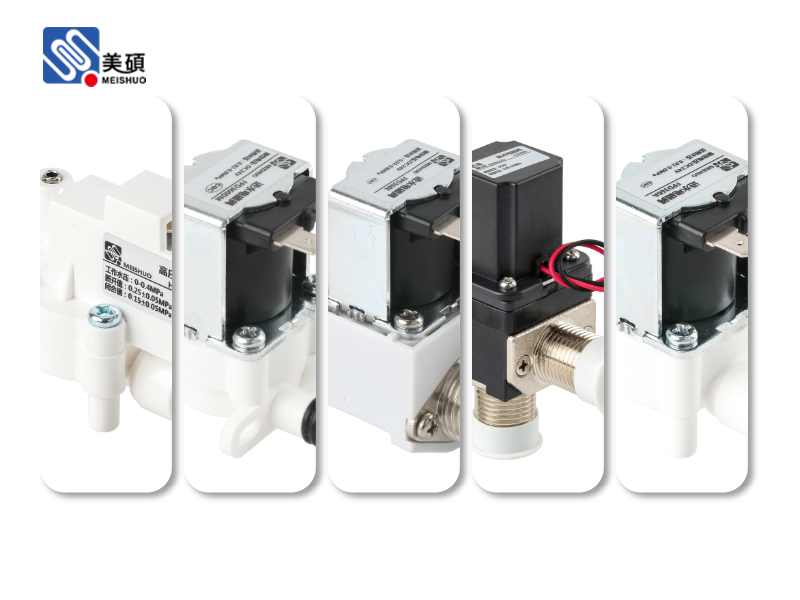
RO solenoid valves are electromechanical devices that use an electromagnetic coil to control the opening and closing of a valve. When an electric current is applied to the coil, it creates a magnetic field that moves a plunger, opening the valve and allowing water to flow. When the current is cut off, a spring returns the plunger to its original position, closing the valve and stopping the flow. This simple yet effective mechanism allows for precise control of water flow in RO systems.
One of the primary functions of RO solenoid valves is to control the flow of feed water into the RO membrane. The valve opens when the system is in operation, allowing water to pass through the membrane for purification. When the system is not in use, the valve closes to prevent water from flowing through the membrane unnecessarily, which can lead to membrane damage and increased energy consumption.
Another important role of RO solenoid valves is to control the flow of concentrate water, also known as reject water. This water contains the impurities that have been removed from the feed water during the reverse osmosis process. The solenoid valve regulates the flow of concentrate water, ensuring that the system maintains the proper pressure and concentration levels for optimal performance.
RO solenoid valves also play a crucial role in the backwashing process, which is essential for maintaining the efficiency of the RO membrane. During backwashing, the solenoid valve reverses the flow of water through the membrane, flushing out any accumulated impurities and restoring the membrane's performance. This process helps to extend the life of the membrane and ensure that the RO system continues to produce high-quality water.
When selecting an RO solenoid valve, several factors should be considered. The valve must be compatible with the specific RO system, including the pressure and flow rate requirements. It should also be made from materials that are resistant to corrosion and can withstand the harsh conditions of water purification. Additionally, the valve should be easy to install and maintain, with a long service life.
In conclusion, RO solenoid valves are essential components of reverse osmosis systems, playing a critical role in controlling water flow and ensuring the efficient operation of these systems. By understanding the function and importance of these valves, users can make informed decisions when selecting and maintaining their RO systems, ensuring that they continue to provide clean, safe drinking water for years to come.

 Chat Oline