


Watering system solenoid valves are the unsung heroes of modern irrigation systems, playing a critical role in delivering water precisely where and when it's needed. These small but powerful devices are essential components that control the flow of water in sprinkler systems, drip irrigation setups, and various other watering applications.
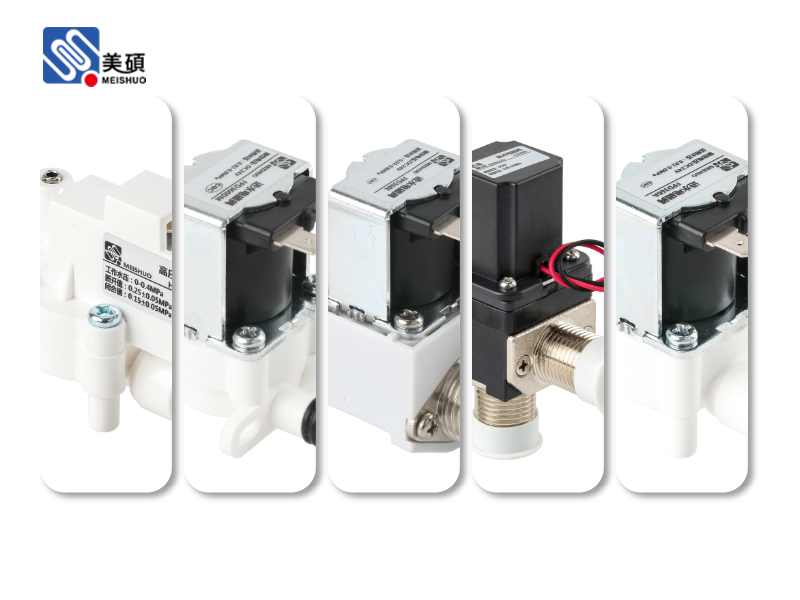
At its core, a solenoid valve is an electromechanical device that uses an electric current to control the flow of water. The valve consists of two main parts: the solenoid coil and the valve body. When an electric current is applied to the coil, it creates a magnetic field that lifts a plunger, allowing water to flow through the valve. When the current is cut off, the magnetic field dissipates, and a spring returns the plunger to its original position, closing the valve and stopping the water flow.
One of the key advantages of solenoid valves in watering systems is their ability to be controlled remotely. This feature is particularly useful in large-scale irrigation systems, where manually opening and closing valves would be time-consuming and inefficient. By connecting solenoid valves to a controller or timer, users can program watering schedules, adjust flow rates, and even monitor water usage in real time. This level of automation not only saves time and effort but also helps conserve water by ensuring that plants receive the right amount of moisture at the right time.
Another important benefit of solenoid valves is their durability and reliability. These valves are designed to withstand harsh outdoor conditions, including extreme temperatures, UV radiation, and exposure to chemicals. Many models are made from high-quality materials such as brass, stainless steel, or durable plastics, which resist corrosion and wear. This longevity makes solenoid valves a cost-effective investment for both residential and commercial irrigation systems.
When selecting a solenoid valve for a watering system, there are several factors to consider. The first is the valve's size, which should match the diameter of the water pipes in the system. Choosing the right size ensures optimal water flow and prevents pressure loss. The type of valve is also important, with options including normally closed (NC) and normally open (NO) valves. Normally closed valves are the most common in irrigation systems, as they remain closed until an electric current is applied, which helps prevent water waste.
Pressure rating is another critical factor. Solenoid valves are designed to operate within specific pressure ranges, and using a valve that cannot handle the system's water pressure can lead to leaks or valve failure. It's essential to check the manufacturer's specifications and ensure that the valve is compatible with the system's pressure requirements.
Installation and maintenance are also important considerations. Proper installation involves ensuring that the valve is correctly oriented, with the flow direction matching the arrow on the valve body. It's also important to install a filter upstream of the valve to prevent debris from entering and causing blockages. Regular maintenance, such as cleaning the valve and checking for leaks, can extend the valve's lifespan and ensure optimal performance.
In recent years, there has been a growing trend towards smart irrigation systems, which integrate solenoid valves with advanced technologies such as sensors and wireless communication. These systems can monitor soil moisture levels, weather conditions, and plant water needs, adjusting the watering schedule automatically. This not only improves water efficiency but also helps plants thrive by providing them with the exact amount of water they need.
In conclusion, watering system solenoid valves are essential components that enable efficient and effective irrigation. Their ability to control water flow remotely, durability, and compatibility with modern technologies make them a valuable investment for any watering system. By understanding the key features and considerations when selecting and maintaining solenoid valves, users can ensure that their irrigation systems operate at peak performance, conserving water and promoting healthy plant growth.

 Chat Oline