


Hot water solenoid valves play a crucial role in modern plumbing systems, providing precise control over water flow and temperature. These compact yet powerful devices are essential components in residential, commercial, and industrial applications, ensuring optimal performance and energy efficiency. Understanding how hot water solenoid valves work and their diverse applications can help professionals and homeowners make informed decisions when selecting and maintaining these critical components.
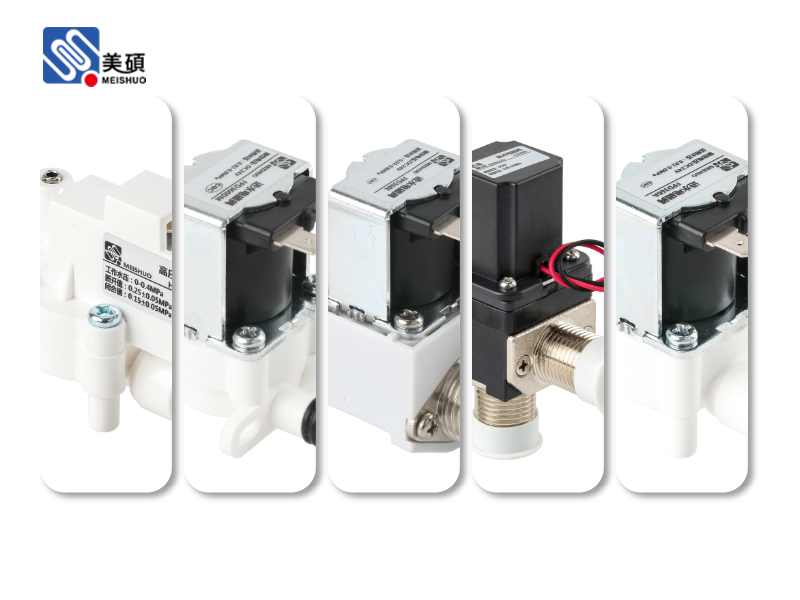
At its core, a hot water solenoid valve is an electromechanical device that uses an electric current to control the flow of hot water. The valve consists of a coil, a plunger, and a valve seat. When an electric current is applied to the coil, it creates a magnetic field that pulls the plunger, opening the valve and allowing hot water to flow. When the current is removed, a spring returns the plunger to its original position, closing the valve and stopping the flow. This simple yet effective mechanism enables rapid and precise control of hot water flow, making solenoid valves ideal for applications requiring on-demand hot water delivery.
One of the key advantages of hot water solenoid valves is their ability to provide instant response. Unlike manual valves that require physical adjustment, solenoid valves can open or close in milliseconds, ensuring immediate control over hot water flow. This rapid response is particularly important in applications such as dishwashers, washing machines, and shower systems, where precise temperature control and quick shut-off are essential. Additionally, solenoid valves are highly reliable, with few moving parts and minimal maintenance requirements, making them a cost-effective solution for long-term use.
Hot water solenoid valves are used in a wide range of applications across various industries. In residential settings, they are commonly found in water heaters, under-sink water filters, and automatic shower systems. In commercial and industrial environments, solenoid valves are used in heating systems, industrial process control, and food and beverage production. For example, in a commercial kitchen, a hot water solenoid valve can be used to control the flow of hot water to dishwashers and sinks, ensuring consistent water temperature and reducing energy waste. In industrial settings, solenoid valves are used to regulate hot water flow in manufacturing processes, such as in the production of textiles, paper, and chemicals.
When selecting a hot water solenoid valve, several factors should be considered to ensure optimal performance. The valve's material is critical, as hot water can cause corrosion and wear over time. Stainless steel and brass are common materials used in hot water solenoid valves due to their durability and resistance to corrosion. The valve's pressure rating is also important, as it must be able to withstand the pressure of the hot water system. Additionally, the valve's flow rate and temperature range should be matched to the specific application to ensure efficient operation.
Proper installation and maintenance are essential for ensuring the longevity and performance of hot water solenoid valves. During installation, it is important to ensure that the valve is properly aligned and connected to the plumbing system. Regular maintenance, such as cleaning the valve seat and checking for leaks, can help prevent issues and extend the valve's lifespan. In some cases, solenoid valves may require periodic replacement of the coil or other components to maintain optimal performance.
In conclusion, hot water solenoid valves are essential components in modern plumbing systems, providing precise control over hot water flow and temperature. Their rapid response, reliability, and versatility make them ideal for a wide range of applications, from residential to industrial. By understanding the key features and considerations when selecting and maintaining hot water solenoid valves, professionals and homeowners can ensure efficient and reliable hot water delivery, reducing energy waste and improving overall system performance.

 Chat Oline