


Cold water solenoid valves are essential components in modern plumbing and industrial systems, providing precise control over the flow of cold water. These electromechanical devices combine the functionality of a valve with the convenience of electronic control, making them indispensable in a wide range of applications.
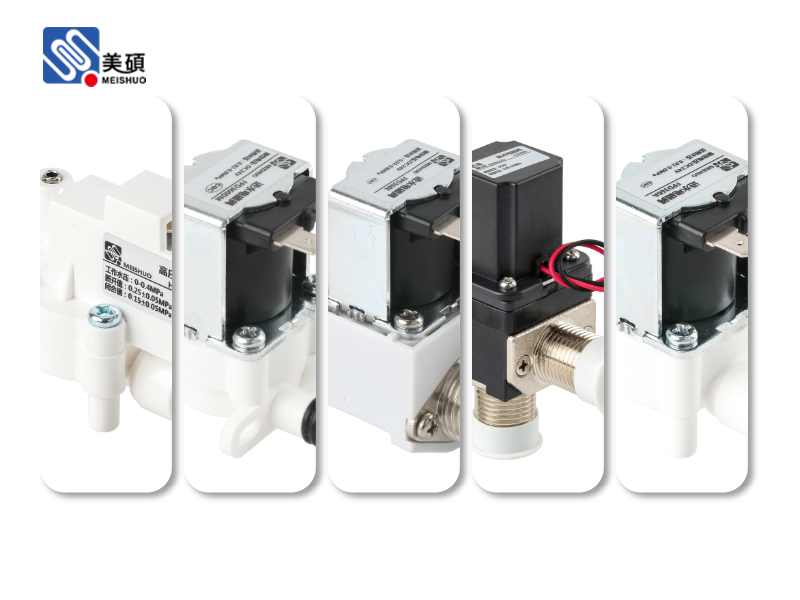
At its core, a cold water solenoid valve consists of a valve body, a solenoid coil, and a plunger mechanism. When an electrical current is applied to the solenoid coil, it creates a magnetic field that pulls the plunger, opening the valve and allowing water to flow. When the current is removed, the plunger returns to its original position, closing the valve and stopping the water flow. This simple yet effective mechanism allows for remote and automated control of water flow.
One of the key advantages of cold water solenoid valves is their ability to provide rapid response times. Unlike manual valves, which require physical operation, solenoid valves can open or close in milliseconds, making them ideal for applications where quick and precise control is necessary. This responsiveness is particularly valuable in systems that require immediate shut-off in case of emergencies or for maintaining precise water flow rates.
Cold water solenoid valves find applications in various industries and settings. In residential plumbing, they are commonly used in automatic water shut-off systems, irrigation controllers, and washing machines. These valves help prevent water damage by quickly closing when leaks are detected, ensuring the safety of homes and properties.
In commercial and industrial settings, cold water solenoid valves play a crucial role in process control. They are used in beverage production, food processing, and pharmaceutical manufacturing, where precise control over water flow is essential for maintaining product quality and safety. These valves are also employed in HVAC systems to control the flow of chilled water, contributing to energy efficiency and optimal system performance.
When selecting a cold water solenoid valve, several factors must be considered. The valve's material is of primary importance, as it must be compatible with cold water and resistant to corrosion. Common materials include brass, stainless steel, and plastic, each offering different levels of durability and resistance to chemicals.
The valve's pressure rating is another critical factor. Cold water systems can operate at various pressure levels, and the valve must be capable of handling the specific pressure requirements of the application. Additionally, the valve's flow rate must match the system's needs, ensuring that it can provide the necessary volume of water without causing pressure drops or flow restrictions.
Electrical specifications are also important when choosing a cold water solenoid valve. The voltage and current requirements must align with the system's power supply, and the valve should be designed to operate reliably under the specific electrical conditions of the application. Some valves are designed for AC power, while others are suitable for DC power, so it is essential to select the appropriate type for the system.
Maintenance is another consideration when using cold water solenoid valves. Regular inspection and cleaning can help prevent clogs and ensure optimal performance. It is also important to check for signs of wear or damage, such as leaks or reduced responsiveness, and replace the valve if necessary to avoid system failures.
In conclusion, cold water solenoid valves are versatile and reliable components that play a vital role in modern water control systems. Their ability to provide rapid, precise control over water flow makes them essential in a wide range of applications, from residential plumbing to industrial process control. By understanding their function, applications, and selection criteria, users can make informed decisions when choosing the right cold water solenoid valve for their specific needs, ensuring efficient and reliable operation of their systems.

 Chat Oline