


Solenoid valves are critical components in modern fluid control systems, offering precise, automated regulation of liquid and gas flow. Among the most common materials used in their construction are stainless steel and plastic, each offering distinct advantages and limitations. Understanding the differences between these two materials is essential for selecting the right valve for specific applications.
Stainless steel solenoid valves are renowned for their exceptional durability and resistance to harsh environments. Made from alloys containing chromium, nickel, and other elements, these valves exhibit superior corrosion resistance, making them ideal for applications involving corrosive fluids, high temperatures, and high-pressure environments. Industries such as chemical processing, oil and gas, and food and beverage production frequently rely on stainless steel valves due to their ability to withstand aggressive substances and maintain structural integrity over extended periods.
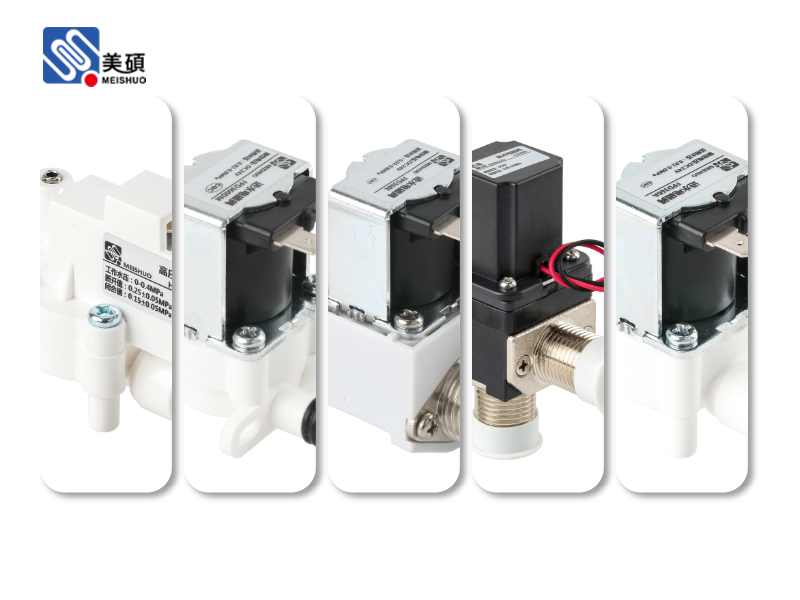
In contrast, plastic solenoid valves are valued for their lightweight construction, cost-effectiveness, and resistance to certain chemicals. Made from materials like PVC, CPVC, PTFE, or polypropylene, these valves are often used in applications where weight is a concern, or where the fluid being controlled is non-corrosive. They are particularly popular in water treatment systems, irrigation, and low-pressure pneumatic applications. Plastic valves also offer excellent insulation properties, making them suitable for electrical applications where conductivity could be a problem.
When selecting between stainless steel and plastic solenoid valves, several factors must be considered. First and foremost is the nature of the fluid being controlled. Corrosive substances such as acids, alkalis, or saltwater typically require stainless steel valves, while non-corrosive fluids like water or air can often be handled by plastic valves. Temperature and pressure requirements are also critical: stainless steel valves can withstand higher temperatures and pressures than most plastic alternatives.
Cost is another important consideration. Plastic valves are generally more affordable than stainless steel ones, making them a preferred choice for budget-sensitive projects. However, the long-term durability and lower maintenance requirements of stainless steel valves may justify their higher initial cost in applications where reliability is paramount.
Installation and maintenance also differ between the two materials. Stainless steel valves are heavier and may require more robust mounting systems, while plastic valves are lighter and easier to handle. Maintenance for stainless steel valves often involves periodic cleaning to prevent buildup, whereas plastic valves may require replacement more frequently due to wear and tear from UV exposure or chemical degradation.
In recent years, hybrid designs combining stainless steel and plastic components have emerged, offering the best of both worlds. These valves often feature stainless steel bodies for durability and plastic internals for chemical resistance, providing a versatile solution for complex applications.
In conclusion, the choice between stainless steel and plastic solenoid valves depends on a variety of factors including fluid type, operating conditions, budget, and maintenance requirements. By carefully evaluating these factors, engineers and system designers can select the optimal valve material to ensure efficient, reliable fluid control in any application.

 Chat Oline