


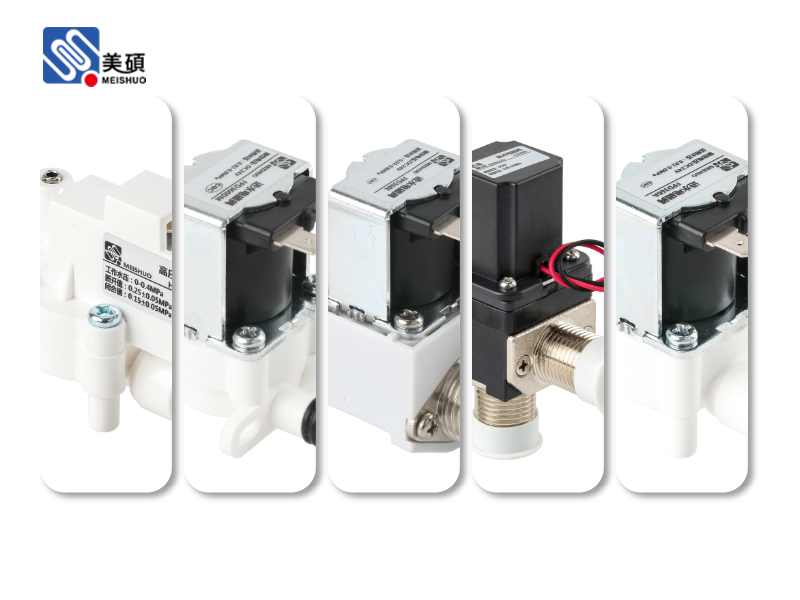
In the dynamic landscape of industrial automation, OEM plastic solenoid valves have emerged as a game-changer, offering cost-effective, lightweight, and corrosion-resistant solutions for fluid control applications. These valves, designed and manufactured to meet specific original equipment manufacturer (OEM) requirements, have become integral components across various sectors, from medical devices to consumer appliances and industrial machinery.
The core advantage of OEM plastic solenoid valves lies in their material composition. Unlike traditional metal valves, plastic variants are highly resistant to chemical corrosion, making them ideal for applications involving aggressive fluids or harsh environments. This corrosion resistance extends the lifespan of the valves and reduces maintenance costs, a critical factor for OEMs looking to optimize their product lifecycle management.
Another key benefit is the significant weight reduction compared to metal alternatives. Plastic valves are typically 30-50% lighter, which is particularly advantageous in industries where weight optimization is crucial, such as aerospace, automotive, and portable medical devices. This weight reduction not only lowers shipping costs but also contributes to overall energy efficiency in systems where the valve is part of a moving component.
Customization is a hallmark of OEM plastic solenoid valves. Manufacturers work closely with OEMs to design valves that fit specific space constraints, pressure requirements, and fluid compatibility needs. This tailored approach ensures that the valve integrates seamlessly into the final product, enhancing performance and reliability. From the selection of plastic materials—such as PEEK, PPS, or PVC—to the design of valve bodies and coil configurations, every aspect can be customized to meet unique application demands.
The versatility of these valves is evident in their wide range of applications. In the medical field, they are used in diagnostic equipment, drug delivery systems, and laboratory instruments, where precision and reliability are paramount. In the automotive industry, they play a role in fuel systems, emission control, and climate control systems. Consumer appliances, such as washing machines and refrigerators, also rely on plastic solenoid valves for water and refrigerant control.
Technological advancements have further enhanced the capabilities of OEM plastic solenoid valves. Modern designs incorporate features like low-power consumption coils, which are essential for battery-operated devices, and high-speed actuation, enabling rapid response times in critical applications. Additionally, the integration of smart technologies, such as sensors and IoT connectivity, allows for real-time monitoring and predictive maintenance, further improving system efficiency.
Despite their many advantages, it's important to note that plastic solenoid valves may not be suitable for all applications. High-temperature environments or extreme pressure conditions may require metal alternatives. However, for the majority of applications where corrosion resistance, weight reduction, and cost-effectiveness are priorities, plastic solenoid valves offer an excellent solution.
In conclusion, OEM plastic solenoid valves represent a significant advancement in fluid control technology. Their unique combination of corrosion resistance, lightweight design, and customizable features make them an ideal choice for OEMs across diverse industries. As technology continues to evolve, we can expect further innovations in material science and design, expanding the capabilities and applications of these versatile components. For manufacturers looking to enhance product performance, reduce costs, and improve sustainability, OEM plastic solenoid valves are a strategic investment that delivers long-term value.

 Chat Oline