


Plastic water flow control valves are integral components in modern plumbing and irrigation systems, offering precise regulation of water flow while delivering numerous advantages over traditional metal alternatives. These versatile devices have revolutionized fluid management across residential, commercial, and industrial applications, providing reliable performance, cost-effectiveness, and environmental benefits.
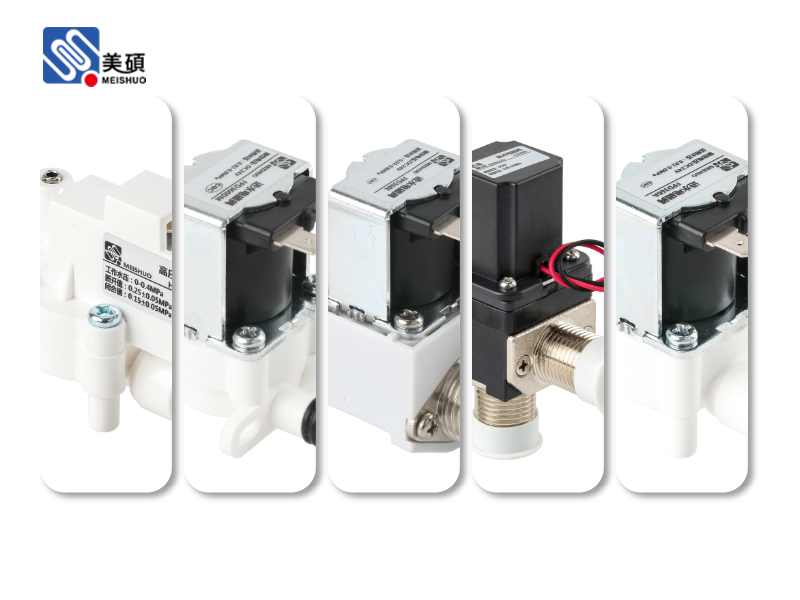
At the core of these valves is a carefully engineered design that balances functionality with durability. Made from high-quality thermoplastics such as PVC, CPVC, PP, or ABS, these valves undergo rigorous manufacturing processes to ensure they can withstand varying water pressures and temperatures. The internal mechanisms typically include a valve body, a flow control element (such as a ball, diaphragm, or needle), and an actuation system, which may be manual, pneumatic, or electric. This design allows for precise adjustment of water flow rates, making them ideal for applications where flow control is critical.
One of the primary advantages of plastic water flow control valves is their exceptional corrosion resistance. Unlike metal valves, which can rust or corrode over time, plastic valves remain unaffected by harsh water conditions, including high chlorine levels or acidic water. This resistance extends their lifespan significantly, reducing maintenance costs and ensuring long-term reliability. Additionally, plastic valves are lightweight, making them easier to install and handle compared to their metal counterparts. This weight advantage is particularly beneficial in large-scale irrigation systems or high-rise building plumbing, where installation logistics can be challenging.
The applications of plastic water flow control valves are diverse and far-reaching. In residential settings, they are commonly used in plumbing systems to regulate water flow to faucets, showers, and appliances. Their precise control capabilities allow homeowners to adjust water pressure according to their needs, enhancing comfort and reducing water waste. In commercial buildings, these valves play a crucial role in HVAC systems, ensuring efficient water distribution for heating and cooling. Industrial applications include water treatment plants, where they help manage the flow of water through filtration and purification processes.
Another key benefit of plastic water flow control valves is their cost-effectiveness. The materials used in their production are generally less expensive than metals, resulting in lower initial costs. Moreover, their resistance to corrosion and minimal maintenance requirements translate to long-term savings. For example, a plastic valve installed in a corrosive environment may last twice as long as a metal valve, reducing the frequency of replacements and associated labor costs.
Environmental considerations also favor plastic water flow control valves. Many plastics used in their manufacturing are recyclable, contributing to a circular economy. Additionally, their lightweight nature reduces transportation costs and carbon emissions during distribution. The precise flow control they offer also helps conserve water, aligning with global efforts to promote sustainable water management.
Despite their many advantages, it is important to select the right plastic water flow control valve for specific applications. Factors such as water pressure, temperature, chemical compatibility, and flow rate requirements must be carefully considered. For instance, CPVC valves are suitable for hot water applications up to 180°F, while PP valves are ideal for corrosive chemical environments. Consulting with a professional or referring to manufacturer specifications can ensure the correct valve is chosen for each use case.
In conclusion, plastic water flow control valves represent a significant advancement in fluid management technology. Their combination of durability, cost-effectiveness, and environmental benefits makes them a preferred choice across various industries. As water conservation and sustainability become increasingly important, these valves will continue to play a vital role in optimizing water usage and reducing environmental impact. Whether in residential plumbing, commercial HVAC systems, or industrial water treatment, plastic water flow control valves offer reliable performance and long-term value, making them an essential component in modern infrastructure.

 Chat Oline