


In the intricate web of modern fluid management systems, the water solenoid valve stands as a silent yet indispensable component. This electromechanical device, often overlooked despite its critical role, has revolutionized how we control water flow in countless applications. From residential plumbing to industrial processes, the water solenoid valve ensures precision, efficiency, and reliability in fluid management.
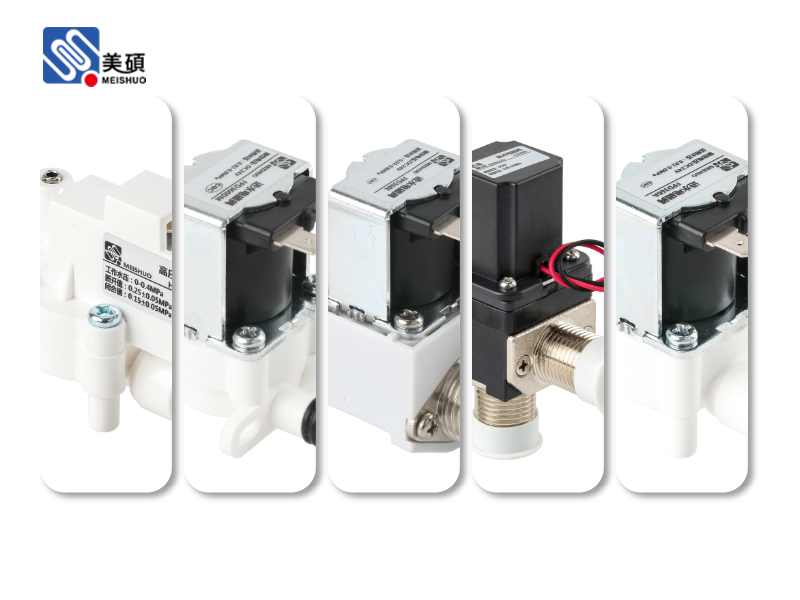
A water solenoid valve operates on a simple yet ingenious principle. It consists of a coil, plunger, and valve body. When an electrical current passes through the coil, it creates a magnetic field that pulls the plunger, opening or closing the valve. This mechanism allows for rapid, remote control of water flow, making it ideal for applications requiring quick response times. Unlike traditional manual valves, solenoid valves can be integrated into automated systems, enabling precise control based on sensor inputs or programmed logic.
The versatility of water solenoid valves is evident in their wide range of applications. In residential settings, they are commonly found in irrigation systems, where they open and close based on timers or moisture sensors to optimize water usage. In commercial buildings, they control water flow to HVAC systems, fire sprinklers, and drinking water dispensers. Industrial applications include water treatment plants, where solenoid valves regulate chemical dosages, and manufacturing facilities, where they control cooling water for machinery.
One of the key advantages of water solenoid valves is their efficiency. By enabling on-demand water flow, they reduce waste and energy consumption. For example, in a commercial dishwasher, a solenoid valve ensures water is only released when needed, preventing unnecessary water usage. In irrigation systems, they allow for precise scheduling, ensuring plants receive the right amount of water at the right time, which is crucial in regions facing water scarcity.
Another significant benefit is their reliability. Solenoid valves have few moving parts, reducing the risk of mechanical failure. They are designed to withstand harsh conditions, including high pressure and temperature variations. This durability makes them suitable for both indoor and outdoor applications, from underground irrigation lines to industrial processing plants.
The design of water solenoid valves has evolved to meet specific needs. There are two main types: normally closed (NC) and normally open (NO). Normally closed valves remain closed until an electrical signal is applied, while normally open valves stay open until energized. This flexibility allows engineers to choose the right valve for their application. Additionally, solenoid valves come in various materials, including brass, stainless steel, and plastic, each offering different levels of corrosion resistance and durability.
In recent years, advancements in technology have further enhanced the capabilities of water solenoid valves. Smart solenoid valves, equipped with sensors and connectivity features, can communicate with other devices in a network. This enables real-time monitoring and control, allowing operators to adjust water flow remotely and receive alerts for maintenance or malfunctions. These smart valves are particularly valuable in large-scale systems, where efficiency and reliability are paramount.
Despite their many benefits, water solenoid valves require proper maintenance to ensure optimal performance. Regular inspection of the valve body, coil, and seals is essential to prevent leaks and ensure smooth operation. Cleaning the valve periodically to remove debris and sediment is also important, as these can cause blockages or damage to the plunger. Additionally, ensuring the electrical components are properly insulated and protected from moisture will extend the valve's lifespan.
The future of water solenoid valves looks promising, with ongoing research focused on improving efficiency and sustainability. Innovations in materials science are leading to lighter, more durable valves, while advances in electronics are enabling more sophisticated control systems. As the world continues to prioritize water conservation and efficient resource management, the role of water solenoid valves will only become more critical.
In conclusion, the water solenoid valve is a testament to the power of simple yet effective engineering. Its ability to provide precise, automated control of water flow has transformed industries and improved daily life. From residential irrigation to industrial manufacturing, this unsung hero of fluid control continues to play a vital role in our modern world. As technology advances, we can expect even more innovative applications for this essential component, ensuring a more efficient and sustainable future for water management.

 Chat Oline