


PVC solenoid valves have emerged as a crucial component in fluid control systems across various industries, offering a reliable and cost-effective solution for managing liquid and gas flow. These valves combine the durability of PVC material with the precision of solenoid technology, making them an ideal choice for applications where corrosion resistance and precise control are essential.
The core of a PVC solenoid valve lies in its construction. Made from polyvinyl chloride (PVC), a thermoplastic polymer known for its excellent chemical resistance, these valves can withstand exposure to a wide range of corrosive substances, including acids, alkalis, and solvents. This makes them particularly suitable for use in chemical processing, water treatment, and agricultural irrigation systems where harsh fluids are common.
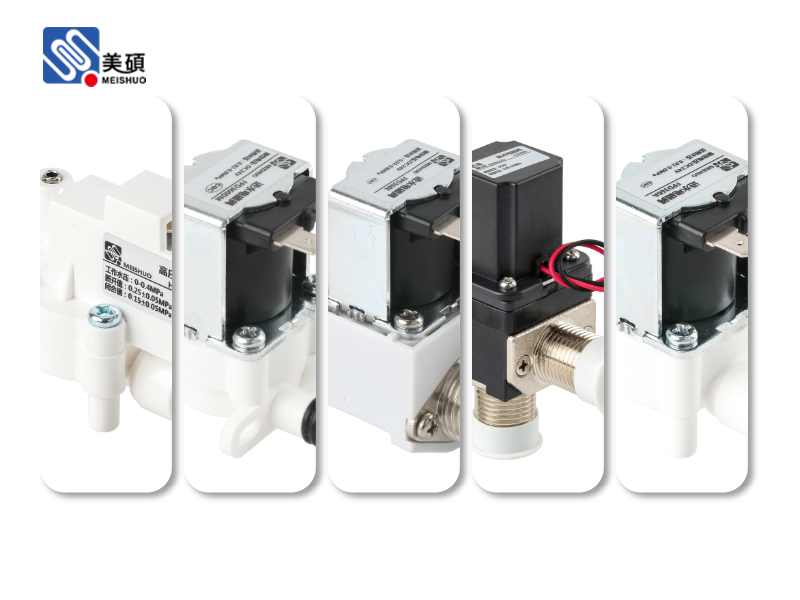
The solenoid mechanism within these valves allows for remote and automated control. When an electric current is applied to the solenoid coil, it generates a magnetic field that moves a plunger, opening or closing the valve. This on/off operation can be precisely timed and controlled, making PVC solenoid valves ideal for applications requiring frequent or automated flow adjustments. The quick response time of solenoid valves—often measured in milliseconds—ensures efficient and precise fluid management.
One of the key advantages of PVC solenoid valves is their versatility. They are available in various sizes, from small 1/4-inch models suitable for laboratory use to larger 4-inch valves designed for industrial applications. Additionally, they can handle a wide range of pressure and temperature conditions, though it's important to select the appropriate model based on specific operating requirements. Some PVC solenoid valves are designed for low-pressure applications, while others can withstand higher pressures up to 150 PSI or more.
In water treatment systems, PVC solenoid valves play a critical role in controlling the flow of water and chemical additives. They are used in processes such as reverse osmosis, filtration, and disinfection, where precise control of flow rates is essential to ensure water quality. The corrosion resistance of PVC ensures that these valves remain reliable even when exposed to chlorinated water or other treatment chemicals.
Agricultural irrigation systems also benefit from the use of PVC solenoid valves. These valves are often used in automated irrigation systems, allowing farmers to control water flow to different sections of their fields remotely. This not only saves water but also ensures that crops receive the right amount of moisture at the right time, improving yields and reducing labor costs.
Chemical processing plants rely on PVC solenoid valves to handle corrosive fluids safely. The chemical resistance of PVC prevents degradation of the valve material, ensuring long-term reliability even in harsh environments. These valves are used in processes such as mixing, dosing, and transferring chemicals, where precise control is essential to maintain product quality and safety.
When selecting a PVC solenoid valve, several factors should be considered. The type of fluid being handled, operating pressure and temperature, flow rate requirements, and the environment in which the valve will be installed all play a role in determining the right model. It's also important to consider the valve's voltage requirements, as solenoid valves are available in various voltage options, including 12V, 24V, 110V, and 220V.
Proper installation and maintenance are essential to ensure the optimal performance of PVC solenoid valves. Valves should be installed in a position that allows for easy access for maintenance and repair. Regular inspection of the valve's seals and solenoid coil is recommended to prevent leaks and ensure reliable operation. In some cases, cleaning or replacing the valve's internal components may be necessary to maintain performance.
In conclusion, PVC solenoid valves offer a versatile and reliable solution for fluid control in a wide range of industries. Their combination of corrosion resistance, precise control, and durability makes them an ideal choice for applications where harsh fluids and demanding operating conditions are common. As technology continues to advance, we can expect to see even more innovative uses for PVC solenoid valves in the future, further enhancing their role in modern industrial processes.

 Chat Oline