


In the intricate web of industrial automation, where precision and efficiency are paramount, the compact solenoid valve stands as a testament to engineering ingenuity. This diminutive yet powerful component has quietly revolutionized countless sectors, from manufacturing to medical devices, by streamlining fluid control processes and enabling unprecedented levels of automation.
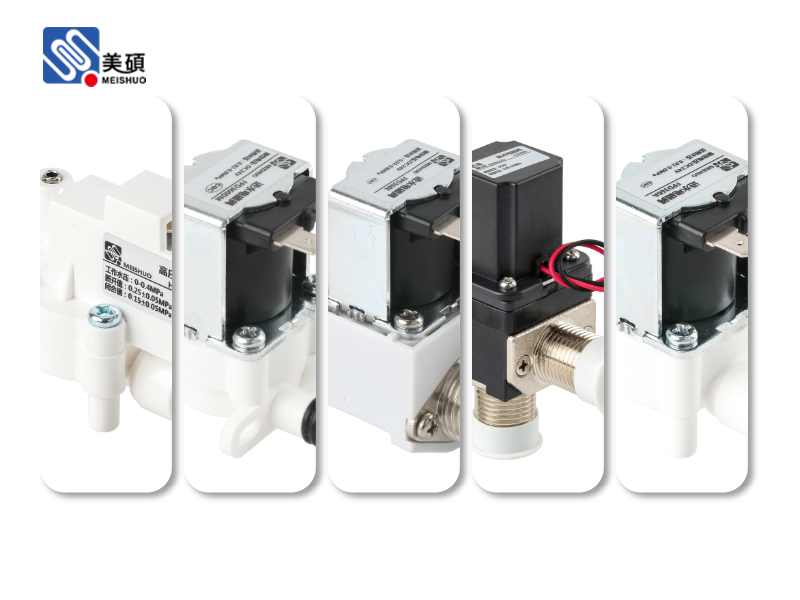
At its core, a compact solenoid valve is an electromechanical device that controls the flow of liquids or gases through a system. What sets it apart from its larger counterparts is its reduced size, which allows for integration in space-constrained environments without compromising performance. This compact design is achieved through innovative engineering solutions, such as miniaturized coils, optimized internal pathways, and advanced materials that maintain structural integrity while minimizing footprint.
The versatility of compact solenoid valves is one of their most compelling attributes. They find applications in a wide range of industries, each with unique requirements. In the automotive sector, these valves play a critical role in fuel injection systems, ensuring precise fuel delivery for optimal engine performance and reduced emissions. In medical equipment, they enable the precise control of fluids in devices like dialysis machines and diagnostic instruments, where accuracy can mean the difference between life and death.
Beyond their physical dimensions, compact solenoid valves offer several performance advantages. Their rapid response time—often measured in milliseconds—allows for real-time control in dynamic systems. This responsiveness is particularly valuable in applications where quick adjustments are necessary, such as in automated manufacturing lines or robotics. Additionally, their low power consumption makes them energy-efficient, contributing to sustainability goals in industrial operations.
The design and manufacturing of compact solenoid valves involve a delicate balance between size, performance, and reliability. Engineers must consider factors such as pressure ratings, flow characteristics, and environmental conditions to ensure the valve performs consistently under varying operational demands. Advanced materials, including corrosion-resistant alloys and high-temperature polymers, are often employed to enhance durability and extend service life.
In recent years, technological advancements have further enhanced the capabilities of compact solenoid valves. The integration of smart features, such as sensor feedback and digital control interfaces, has transformed these components into intelligent devices that can communicate with larger systems, providing real-time data and enabling predictive maintenance. This connectivity not only improves operational efficiency but also reduces downtime and maintenance costs.
The impact of compact solenoid valves extends beyond industrial settings. In consumer products, they are found in appliances like washing machines and dishwashers, where they control water flow and temperature. In the aerospace industry, their lightweight design and reliability make them ideal for use in aircraft systems, where every gram of weight and every component's dependability are critical.
As industries continue to evolve and demand more compact, efficient, and intelligent solutions, the role of compact solenoid valves is set to grow. Their ability to deliver precise control in a small package makes them indispensable in the era of miniaturization and smart manufacturing. Whether in a high-speed production line, a life-saving medical device, or a cutting-edge consumer product, the compact solenoid valve remains an unsung hero, quietly powering the systems that shape our modern world.
In conclusion, the compact solenoid valve represents a perfect marriage of form and function. Its small size belies its significant impact on industrial automation and beyond. As technology continues to advance, we can expect these valves to become even more sophisticated, integrating seamlessly with the smart systems of the future and continuing to drive innovation across diverse sectors.

 Chat Oline