


Watering system solenoid valves are the unsung heroes of modern irrigation systems, playing a crucial role in managing water distribution with precision and efficiency. These small but powerful devices are responsible for controlling the flow of water to different zones in a garden, lawn, or agricultural field, ensuring that plants receive the right amount of water at the right time. Understanding how these valves work and their importance in maintaining a healthy and sustainable watering system is essential for any gardener, landscaper, or farmer.
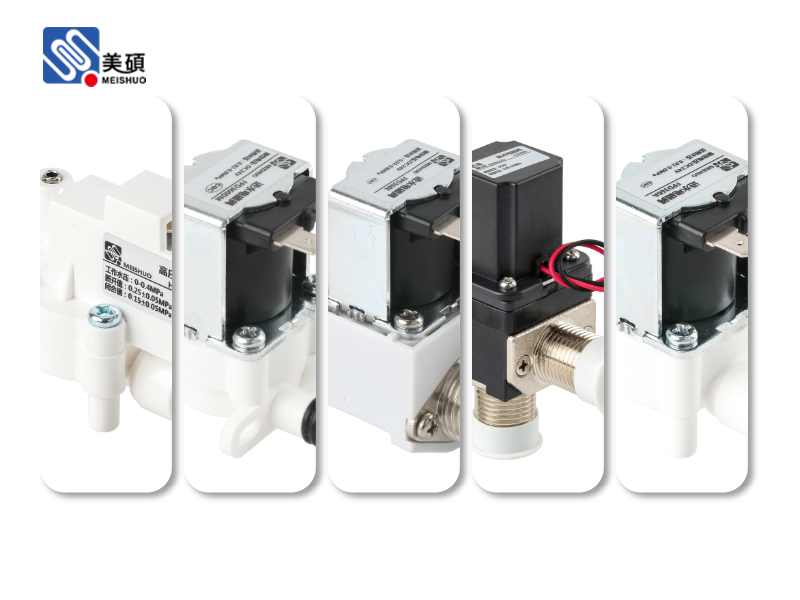
At its core, a solenoid valve is an electromechanical device that uses an electric current to control the flow of water. The valve consists of a coil, a plunger, and a valve body. When an electric current is applied to the coil, it creates a magnetic field that pulls the plunger, opening the valve and allowing water to flow through. When the current is turned off, the magnetic field dissipates, and a spring pushes the plunger back into place, closing the valve and stopping the water flow. This simple yet effective mechanism allows for precise control over water distribution, making it possible to automate watering schedules and adjust water flow based on specific needs.
One of the key benefits of using solenoid valves in watering systems is their ability to create multiple zones. By dividing a garden or field into different zones, each with its own solenoid valve, users can tailor the watering schedule to the specific needs of different plants. For example, a zone with delicate flowers may require more frequent but shorter watering sessions, while a zone with drought-resistant shrubs may need less water. This zoning capability not only ensures that plants receive the optimal amount of water but also helps to conserve water by avoiding overwatering in areas that don't need it.
Another advantage of solenoid valves is their compatibility with automated irrigation systems. Most modern watering systems are controlled by a timer or a smart controller that sends signals to the solenoid valves to open and close at specific times. This automation not only saves time and effort but also ensures that watering is done consistently, even when the user is away. Smart controllers can even adjust the watering schedule based on weather conditions, such as rain or high temperatures, further optimizing water usage and plant health.
When choosing a solenoid valve for a watering system, there are several factors to consider. The first is the type of valve, which can be either normally open or normally closed. Normally closed valves are the most common, as they remain closed until an electric current is applied, preventing water from flowing when the system is not in use. Normally open valves, on the other hand, remain open until a current is applied, which can be useful in certain applications where water flow needs to be maintained unless specifically stopped.
The size of the valve is also important, as it needs to match the flow rate and pressure of the water system. Valves are typically rated by their nominal diameter, such as 1/2 inch or 3/4 inch, and the maximum pressure they can handle. Choosing the right size ensures that the valve can handle the water flow without causing pressure drops or leaks.
Maintenance is another crucial aspect of solenoid valve care. Over time, valves can become clogged with dirt, debris, or mineral deposits, which can affect their performance. Regular cleaning and inspection can help prevent these issues and ensure that the valve operates smoothly. It's also important to check the electrical connections to ensure that the coil is receiving the correct voltage and that there are no loose wires or corrosion.
In addition to their practical benefits, solenoid valves also play a role in promoting water conservation. By allowing for precise control over water distribution, they help to reduce water waste and lower water bills. This is especially important in areas where water is scarce or where water usage is regulated. By using solenoid valves in conjunction with smart controllers, users can further optimize their water usage and contribute to a more sustainable environment.
In conclusion, watering system solenoid valves are essential components of modern irrigation systems, providing precise control over water distribution and enabling automation. Their ability to create multiple zones, compatibility with smart controllers, and role in water conservation make them a valuable investment for any gardener or farmer. By understanding how these valves work and choosing the right type and size for their needs, users can ensure that their watering system operates efficiently and effectively, keeping their plants healthy and thriving while conserving water.

 Chat Oline