


Swimming pool solenoid valves are critical components in modern pool systems, playing a vital role in controlling water flow and maintaining optimal pool conditions. These electromechanical devices convert electrical signals into mechanical action, allowing for precise control over various pool functions such as water circulation, chemical dosing, and filtration. Understanding their operation, maintenance requirements, and common issues is essential for pool owners and maintenance professionals alike.
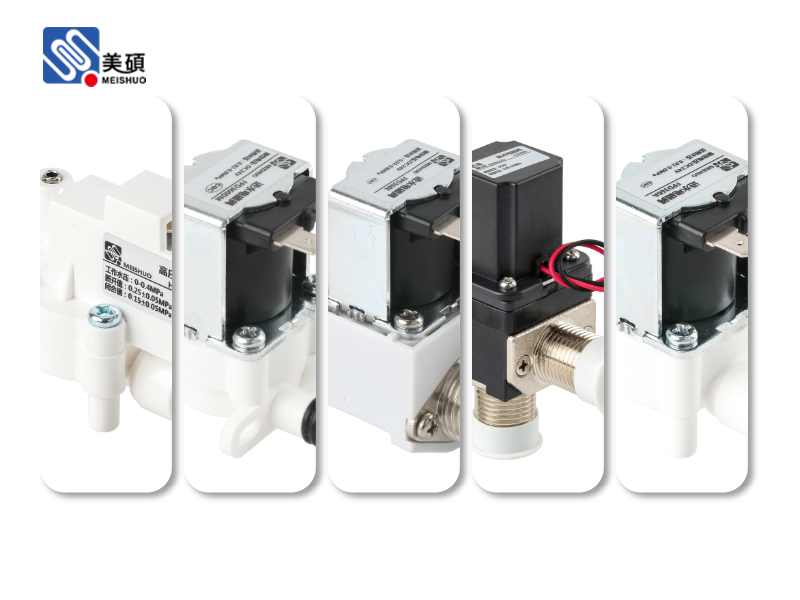
A swimming pool solenoid valve consists of three main parts: the solenoid coil, the valve body, and the plunger. When an electrical current flows through the coil, it creates a magnetic field that pulls the plunger, opening the valve and allowing water to pass through. When the current stops, a spring returns the plunger to its original position, closing the valve. This simple yet effective mechanism enables automated control of pool systems, often integrated with timers, sensors, and pool control panels.
Proper maintenance is key to ensuring the longevity and reliability of solenoid valves. Regular inspection should include checking for leaks around the valve body, verifying that the electrical connections are secure, and ensuring the plunger moves freely without obstruction. Debris such as dirt, sand, or mineral deposits can accumulate over time, causing the valve to stick or fail to close properly. Periodic cleaning with a mild detergent and flushing the valve with clean water can prevent these issues.
Common problems with swimming pool solenoid valves include failure to open or close, leaks, and erratic operation. If a valve fails to open, it may be due to a faulty solenoid coil, a clogged valve seat, or insufficient voltage. Conversely, a valve that won't close might have a worn-out seal, debris preventing the plunger from seating properly, or a damaged spring. Leaks often occur around the valve connections or through the valve body itself, which may require replacing gaskets or the entire valve assembly.
When troubleshooting solenoid valve issues, start by checking the power supply to ensure the correct voltage is reaching the coil. Use a multimeter to test the coil's resistance; a reading outside the manufacturer's specified range indicates a faulty coil that needs replacement. If the coil is functioning properly, inspect the valve body for debris or damage. In some cases, disassembling the valve and cleaning the internal components can resolve minor issues.
Choosing the right solenoid valve for a swimming pool depends on several factors, including the required flow rate, pressure rating, and compatibility with the pool's plumbing system. Valves are available in different materials such as PVC, brass, and stainless steel, each offering distinct advantages in terms of durability and corrosion resistance. It's important to select a valve that matches the specific needs of the pool, considering factors like water chemistry and environmental conditions.
In conclusion, swimming pool solenoid valves are indispensable for maintaining efficient and automated pool systems. By understanding their function, performing regular maintenance, and addressing issues promptly, pool owners can ensure their valves operate reliably for years to come. Whether you're a homeowner or a professional pool technician, familiarizing yourself with these essential components will help keep your pool running smoothly and efficiently.

 Chat Oline