


Reverse osmosis (RO) systems have become indispensable in modern water purification, providing clean, safe drinking water for homes, businesses, and industrial applications. At the heart of these systems lies a critical component that ensures efficient operation and water conservation: the reverse osmosis solenoid valve. This often-overlooked device plays a vital role in controlling water flow, pressure, and system performance, making it essential for anyone seeking to understand or maintain RO systems.
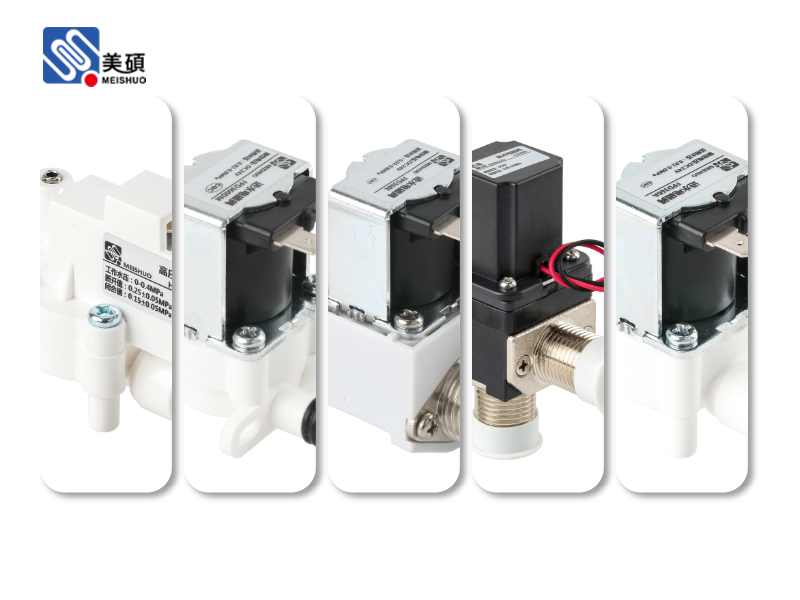
A reverse osmosis solenoid valve is an electromechanical device that uses an electric current to control the flow of water in RO systems. It consists of a coil, a plunger, and a valve body, working together to open or close water pathways based on electrical signals. When the coil receives an electric current, it creates a magnetic field that lifts the plunger, opening the valve and allowing water to flow. When the current is cut off, the plunger returns to its original position, closing the valve and stopping the flow. This mechanism enables precise control over water movement, ensuring that RO systems operate efficiently and effectively.
The primary function of a reverse osmosis solenoid valve is to regulate water flow during the different stages of the RO process. In a typical RO system, the solenoid valve controls the inlet water supply, allowing water to enter the system when needed and shutting it off when the storage tank is full. This prevents overfilling and ensures that the system only operates when necessary, conserving water and energy. Additionally, solenoid valves are used to control the flow of reject water, directing it to drain or recirculation based on system requirements.
Proper maintenance of reverse osmosis solenoid valves is crucial for ensuring the longevity and efficiency of RO systems. Over time, mineral deposits, sediment, and debris can accumulate in the valve, leading to blockages or reduced performance. Regular cleaning and inspection can prevent these issues, ensuring that the valve operates smoothly. It is also important to check the valve's electrical connections and coil for signs of wear or damage, as faulty components can cause the valve to malfunction.
When selecting a reverse osmosis solenoid valve, several factors should be considered to ensure compatibility and optimal performance. The valve's size and flow rate must match the requirements of the RO system, as an undersized or oversized valve can lead to inefficiencies or system failure. The material of the valve body and seals is also important, as it must be resistant to corrosion and compatible with the water being treated. Additionally, the voltage and pressure ratings of the valve should align with the system's specifications to ensure safe and reliable operation.
In conclusion, the reverse osmosis solenoid valve is a critical component of RO systems, playing a vital role in controlling water flow, pressure, and system performance. Understanding its function, maintaining it properly, and selecting the right valve for your system are essential steps in ensuring the efficient and reliable operation of your reverse osmosis water purification system. By taking these factors into account, you can enjoy clean, safe drinking water while maximizing the lifespan and performance of your RO system.

 Chat Oline