


The RoHS compliant solenoid valve has become an essential component in various industrial applications, primarily due to its ability to ensure environmental safety and compliance with stringent regulations. In this article, we will delve into the significance of RoHS compliance in solenoid valves, their applications, and the benefits they offer to industries.
**Introduction**
The RoHS directive, which stands for the Restriction of Hazardous Substances, is a European Union regulation that restricts the use of certain hazardous materials in electrical and electronic equipment. The primary goal of RoHS is to protect human health and the environment from the potential dangers posed by these substances. As a result, manufacturers and suppliers in the industrial sector are increasingly focusing on producing RoHS compliant products, including solenoid valves.
**What is a RoHS Compliant Solenoid Valve?**
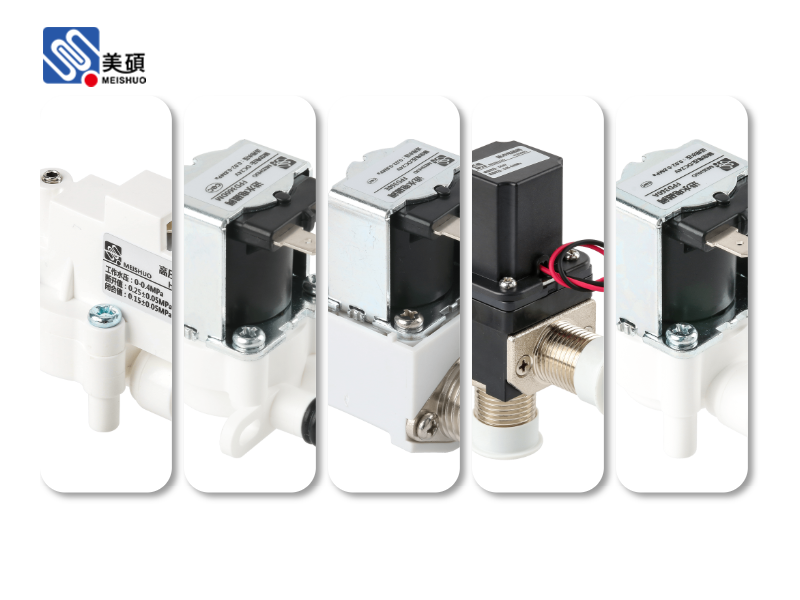
A RoHS compliant solenoid valve is a type of valve that meets the requirements of the RoHS directive. It contains no more than the maximum concentration values of the four restricted substances: lead (Pb), mercury (Hg), cadmium (Cd), and hexavalent chromium (Cr6+). These substances are known to be harmful to human health and the environment, and their use in electrical and electronic products is being phased out.
**Applications of RoHS Compliant Solenoid Valves**
RoHS compliant solenoid valves are widely used in various industries, including:
1. **Automotive Industry**: In the automotive sector, these valves are used in fuel systems, brake systems, and air conditioning systems to ensure the safety and reliability of vehicles.
2. **Food and Beverage Industry**: Solenoid valves that meet RoHS standards are used in food processing and beverage production to prevent contamination and ensure the safety of the end product.
3. **Pharmaceutical Industry**: These valves are used in pharmaceutical manufacturing processes to maintain the purity and quality of the products.
4. **Chemical Industry**: Solenoid valves that comply with RoHS are used in chemical processing plants to control the flow of hazardous substances and minimize the risk of environmental contamination.
**Benefits of Using RoHS Compliant Solenoid Valves**
There are several benefits to using RoHS compliant solenoid valves:
1. **Environmental Protection**: By using these valves, industries can contribute to the reduction of hazardous substances in the environment, thereby protecting human health and ecosystems.
2. **Regulatory Compliance**: RoHS compliant solenoid valves help businesses meet the requirements of the RoHS directive, avoiding potential fines and legal issues.
3. **Improved Product Quality**: These valves are designed to provide reliable performance and long-lasting durability, ensuring the quality of the products they are used in.
4. **Cost-Effective**: Although RoHS compliant solenoid valves may be slightly more expensive than non-compliant valves, their long-term benefits, including reduced maintenance costs and environmental protection, make them a cost-effective choice.
**Conclusion**
In conclusion, the RoHS compliant solenoid valve is an essential component in today's industrial landscape. Its ability to ensure environmental safety and compliance with regulations makes it a preferred choice for businesses across various industries. As the demand for sustainable and eco-friendly products continues to grow, the importance of RoHS compliant solenoid valves is only expected to increase.

 Chat Oline