


Reverse osmosis (RO) systems have become increasingly popular in recent years due to their ability to purify water by removing impurities and contaminants. One of the key components of an RO system is the solenoid valve, which plays a crucial role in the purification process. In this article, we will delve into the intricacies of the reverse osmosis solenoid valve, its functions, and its importance in water purification systems.
### Understanding Reverse Osmosis Solenoid Valve
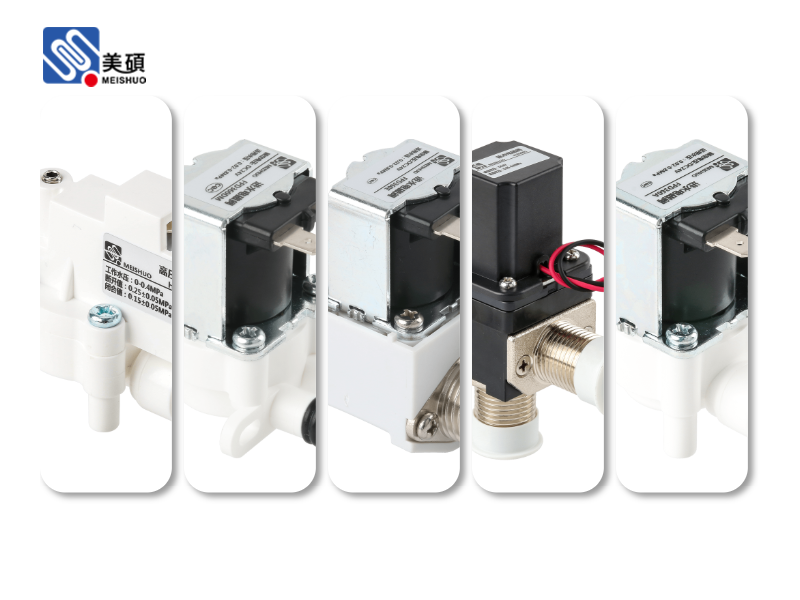
A reverse osmosis solenoid valve is an automated device that controls the flow of water in an RO system. It is a type of solenoid valve that uses an electromagnet to open or close the valve, thereby allowing or stopping the flow of water. These valves are designed to operate under high pressure and are made from materials that can withstand the harsh conditions of an RO system.
### Functions of Reverse Osmosis Solenoid Valve
The primary function of a reverse osmosis solenoid valve is to control the flow of water through the RO membrane. Here are some of the key functions of these valves:
1. **On/Off Control**: The solenoid valve is responsible for opening and closing the flow of water through the RO membrane. When the valve is open, water is allowed to pass through the membrane, and when it is closed, the flow is stopped.
2. **Pressure Regulation**: The solenoid valve helps regulate the pressure in the RO system. This is essential to ensure that the water is pushed through the membrane at the right pressure, which is usually around 40-60 psi.
3. **Backwashing**: During the backwashing process, the solenoid valve opens to allow water to flow in the opposite direction through the membrane. This helps remove accumulated debris and contaminants from the membrane surface.
4. **System Protection**: The solenoid valve also helps protect the RO system from damage. For example, if the pressure in the system exceeds the recommended level, the valve can automatically shut off the flow to prevent damage to the membrane.
### Importance of Reverse Osmosis Solenoid Valve
The reverse osmosis solenoid valve is a critical component of an RO system for several reasons:
1. **Efficiency**: By controlling the flow of water through the membrane, the solenoid valve helps ensure that the RO system operates efficiently, producing high-quality purified water.
2. **Reliability**: These valves are designed to be durable and reliable, ensuring that the RO system operates smoothly without frequent breakdowns.
3. **System Protection**: As mentioned earlier, the solenoid valve helps protect the RO system from damage by regulating pressure and controlling the flow of water.
### Types of Reverse Osmosis Solenoid Valves
There are several types of reverse osmosis solenoid valves available, including:
1. **Direct-acting Solenoid Valves**: These valves have a diaphragm that moves directly in response to the electromagnetic force.
2. **Pilot-operated Solenoid Valves**: These valves use a pilot valve to control the main valve, allowing for more precise control of the flow.
3. **Non-return Valves**: These valves prevent the backflow of water in the RO system, ensuring that the purified water does not contaminate the incoming water.
### Conclusion
The reverse osmosis solenoid valve is a crucial component of an RO system, playing a vital role in the purification process. By understanding its functions and importance, you can ensure that your RO system operates efficiently and reliably. When choosing a solenoid valve for your RO system, consider factors such as the type of valve, pressure requirements, and durability.

 Chat Oline
