


The RoHS compliant solenoid valve has become a crucial component in various industries due to its environmental benefits and compliance with stringent regulations. This article delves into the intricacies of RoHS compliant solenoid valves, their applications, and the advantages they offer over traditional valves.
**Introduction**
In recent years, the emphasis on environmental sustainability has led to the adoption of RoHS compliant solenoid valves in numerous industries. RoHS, which stands for the Restriction of Hazardous Substances, is a directive that restricts the use of certain hazardous materials in the manufacturing of electrical and electronic equipment. Solenoid valves, being an integral part of many industrial applications, must adhere to these regulations to ensure safety and environmental protection.
**What is a Solenoid Valve?**
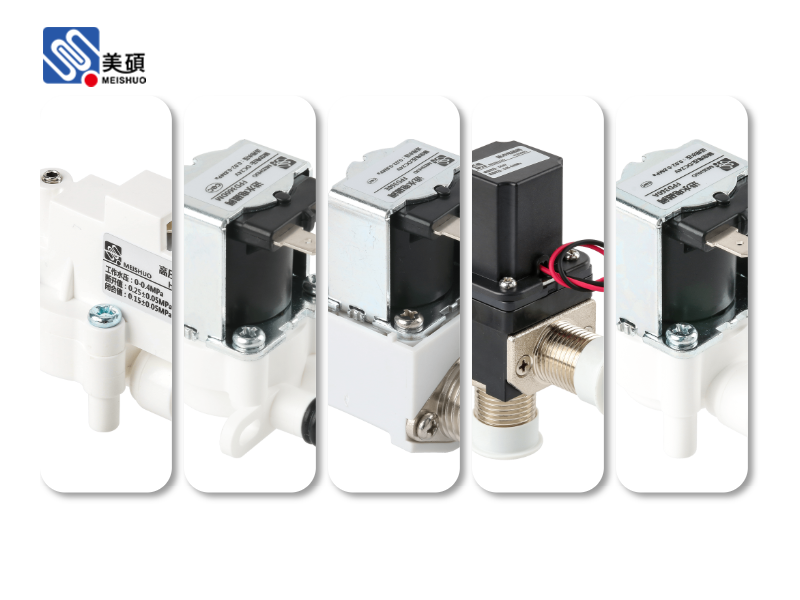
A solenoid valve is a type of valve that uses an electromagnet to open or close the valve body. It is widely used in industrial applications for controlling the flow of fluids, such as water, air, and various chemicals. Solenoid valves are available in various types, including 2-way, 3-way, and 4-way valves, depending on the application requirements.
**What Does RoHS Compliance Mean?**
RoHS compliance refers to the adherence of a product to the RoHS directive. This directive restricts the use of six hazardous substances in electrical and electronic equipment, including lead, cadmium, mercury, hexavalent chromium, polybrominated biphenyls (PBBs), and polybrominated diphenyl ethers (PBDEs). By ensuring that solenoid valves are RoHS compliant, manufacturers can reduce the environmental impact of their products and meet regulatory requirements.
**Applications of RoHS Compliant Solenoid Valves**
RoHS compliant solenoid valves are used in a wide range of applications, including:
1. Automotive industry: For controlling the flow of fluids in engines, transmissions, and air conditioning systems. 2. Food and beverage industry: For ensuring the safety and cleanliness of products during the manufacturing process. 3. Pharmaceutical industry: For controlling the flow of liquids in pharmaceutical manufacturing processes. 4. Water treatment plants: For controlling the flow of water and chemicals in treatment processes.
**Advantages of RoHS Compliant Solenoid Valves**
There are several advantages of using RoHS compliant solenoid valves over traditional valves:
1. Environmental protection: By reducing the use of hazardous substances, RoHS compliant solenoid valves contribute to a cleaner and healthier environment. 2. Regulatory compliance: Adhering to the RoHS directive ensures that manufacturers meet the regulatory requirements for their products. 3. Enhanced safety: RoHS compliant solenoid valves are designed to be safe for use in various applications, reducing the risk of accidents and product failures. 4. Longevity: The use of environmentally friendly materials in the manufacturing process leads to longer-lasting and more durable products.
**Conclusion**
In conclusion, RoHS compliant solenoid valves are an essential component in today's industrial landscape. Their environmental benefits, regulatory compliance, and enhanced safety features make them a preferred choice for many applications. As the world continues to focus on sustainability, the demand for RoHS compliant solenoid valves is expected to grow, making them a crucial part of the future of industrial automation.

 Chat Oline