


The RoHS compliant solenoid valve has become an essential component in various industrial applications due to its ability to ensure environmental safety and compliance with stringent regulations. In this article, we will delve into the significance of RoHS compliance in solenoid valves, their applications, and the benefits they offer to industries.
**Introduction**
The RoHS directive, also known as the Restriction of Hazardous Substances Directive, is a European Union regulation that restricts the use of certain hazardous substances in electrical and electronic equipment. The primary goal of RoHS is to protect human health and the environment from the potential hazards posed by these substances. As a result, industries worldwide are increasingly adopting RoHS compliant products, including solenoid valves.
**What is a RoHS Compliant Solenoid Valve?**
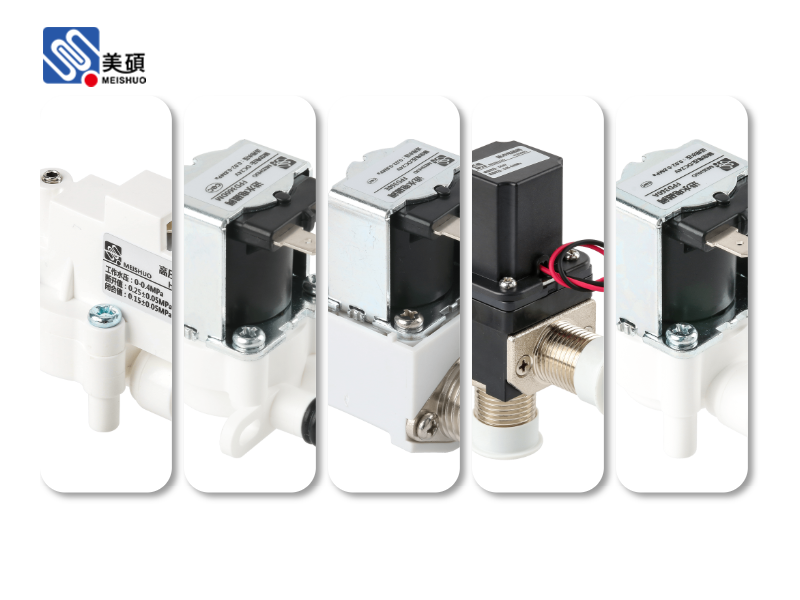
A RoHS compliant solenoid valve is a type of valve that meets the requirements of the RoHS directive. It contains no hazardous substances such as lead, cadmium, mercury, hexavalent chromium, polybrominated biphenyls (PBBs), and polybrominated diphenyl ethers (PBDEs). These valves are designed to minimize the environmental impact of industrial processes while ensuring optimal performance.
**Applications of RoHS Compliant Solenoid Valves**
1. **Automotive Industry**: The automotive industry relies heavily on solenoid valves for various applications, such as fuel injection systems, brake systems, and air conditioning systems. RoHS compliant solenoid valves are essential in ensuring that these systems meet environmental safety standards.
2. **Food and Beverage Industry**: In the food and beverage industry, RoHS compliant solenoid valves are used in applications such as water purification systems, bottling machines, and packaging equipment. These valves help maintain the quality and safety of food and beverage products while minimizing environmental impact.
3. **Pharmaceutical Industry**: The pharmaceutical industry requires high levels of cleanliness and safety in their manufacturing processes. RoHS compliant solenoid valves are used in applications such as cleanroom environments, filling machines, and packaging systems to ensure compliance with strict regulations.
4. **Chemical Industry**: In the chemical industry, RoHS compliant solenoid valves are used in applications such as process control systems, storage tanks, and transfer systems. These valves help prevent the release of hazardous substances into the environment while maintaining optimal performance.
**Benefits of RoHS Compliant Solenoid Valves**
1. **Environmental Protection**: By eliminating hazardous substances from solenoid valves, RoHS compliant products contribute to a cleaner and safer environment.
2. **Regulatory Compliance**: RoHS compliant solenoid valves help industries meet the requirements of the RoHS directive, avoiding potential fines and legal issues.
3. **Improved Performance**: RoHS compliant solenoid valves are designed to provide optimal performance, ensuring reliable operation in various industrial applications.
4. **Longevity**: The absence of hazardous substances in RoHS compliant solenoid valves contributes to their longevity, reducing maintenance costs and downtime.
**Conclusion**
In conclusion, the RoHS compliant solenoid valve is an essential component in ensuring environmental safety and compliance with stringent regulations. As industries continue to prioritize sustainability and environmental responsibility, the demand for RoHS compliant products, including solenoid valves, is expected to grow. By choosing RoHS compliant solenoid valves, industries can contribute to a cleaner, safer, and more sustainable future.

 Chat Oline