


In the modern industrial landscape, the use of high-quality components is crucial for ensuring the safety, efficiency, and reliability of various processes. One such component is the Food Grade Solenoid Valve, which plays a pivotal role in the food and beverage industry. This article explores the significance of Food Grade Solenoid Valves, their advantages, and their applications in modern industry.
**Introduction**
The food and beverage industry is highly regulated, with strict guidelines to ensure the safety and quality of products. Food Grade Solenoid Valves are specifically designed to meet these stringent requirements, making them an essential component in the production and processing of food and beverages. These valves are engineered to withstand harsh environments, maintain hygiene, and provide precise control over the flow of fluids.
**What is a Food Grade Solenoid Valve?**
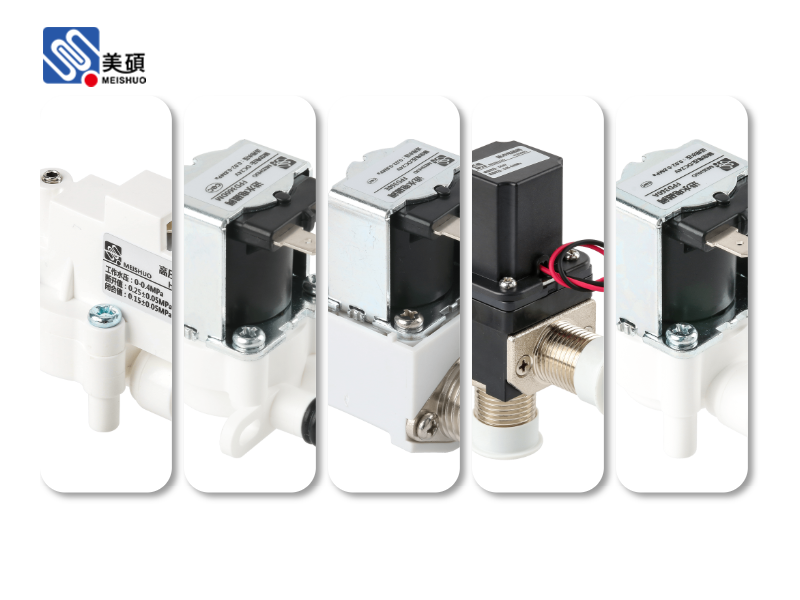
A Food Grade Solenoid Valve is a type of electrically operated valve used to control the flow of fluids in various applications. Unlike standard solenoid valves, Food Grade Solenoid Valves are constructed with materials that are safe for use in food and beverage processing environments. This includes the use of stainless steel, FDA-approved plastics, and other materials that are resistant to corrosion and contamination.
**Advantages of Food Grade Solenoid Valves**
1. **Hygiene and Safety**: The primary advantage of Food Grade Solenoid Valves is their ability to maintain hygiene and safety in food processing environments. The materials used in their construction are non-toxic and do not contaminate the fluids passing through the valve.
2. **Durability**: Food Grade Solenoid Valves are designed to withstand harsh conditions, including high temperatures, pressure, and aggressive chemicals. This durability ensures that the valves have a long service life and require minimal maintenance.
3. **Precision and Control**: These valves offer precise control over the flow of fluids, ensuring that the desired pressure and flow rate are maintained. This is crucial in food processing, where even slight variations can affect the quality of the product.
4. **Flexibility**: Food Grade Solenoid Valves are available in various sizes, configurations, and types, making them suitable for a wide range of applications in the food and beverage industry.
**Applications of Food Grade Solenoid Valves**
1. **Water Treatment**: Food Grade Solenoid Valves are used in water treatment plants to control the flow of water and chemicals during the purification process.
2. **Beverage Production**: These valves are used in beverage production facilities to control the flow of water, syrup, and other ingredients during the brewing, bottling, and packaging processes.
3. **Food Processing**: Food Grade Solenoid Valves are used in food processing plants to control the flow of liquids, such as sauces, dressings, and other ingredients, during the production process.
4. **Packaging**: These valves are used in packaging facilities to control the flow of liquids during the filling and sealing processes.
**Conclusion**
Food Grade Solenoid Valves are an essential component in the food and beverage industry, providing a safe, reliable, and efficient solution for controlling the flow of fluids. With their numerous advantages and versatile applications, these valves continue to be a preferred choice for manufacturers looking to enhance the quality and safety of their products.

 Chat Oline