relay characteristics: understanding the key features of relay devices
Release time:2025-11-29 22:43:38
Relays are crucial components in electrical circuits, used to control the flow of electricity and automate processes. These electromagnetic switches allow small electrical signals to control larger currents or voltages, making them essential in a wide range of applications, from household appliances to complex industrial control systems. In this article, we will explore the key relay characteristics that define how relays function, their performance, and how to choose the right relay for specific applications.
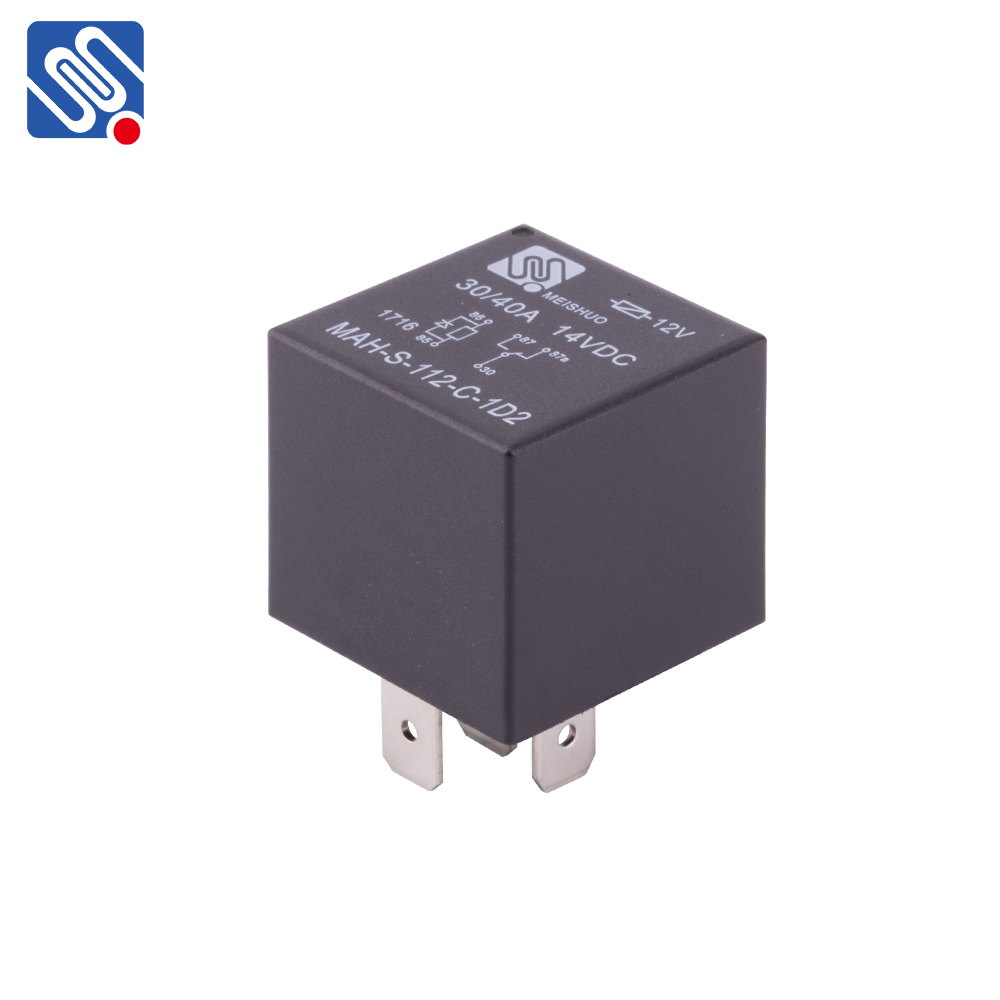
1. Pick-up and Drop-out Voltage One of the most critical relay characteristics is the pick-up voltage. This is the minimum voltage that must be applied across the relay coil for the relay to activate, causing the internal switch to close or change its state. When the voltage applied to the relay coil exceeds this threshold, the relay "picks up," and the switch mechanism is triggered. Conversely, the drop-out voltage is the voltage below which the relay will de-energize and return to its default position, causing the contacts to open or revert to their original state. It is important to note that the drop-out voltage is typically lower than the pick-up voltage, ensuring the relay remains stable when the input voltage fluctuates.




 Chat Oline