understanding solid state relay (ssr): the future of electronic switching
Release time:2025-11-29 23:08:24
Solid State Relays (SSRs) have emerged as a key component in modern electronic control systems, offering numerous advantages over traditional electromechanical relays. As industries continue to push for more efficient, durable, and quieter control systems, SSRs have become an indispensable choice for controlling high-power electrical devices. This article explores what SSRs are, how they work, their advantages, and their applications across different industries.
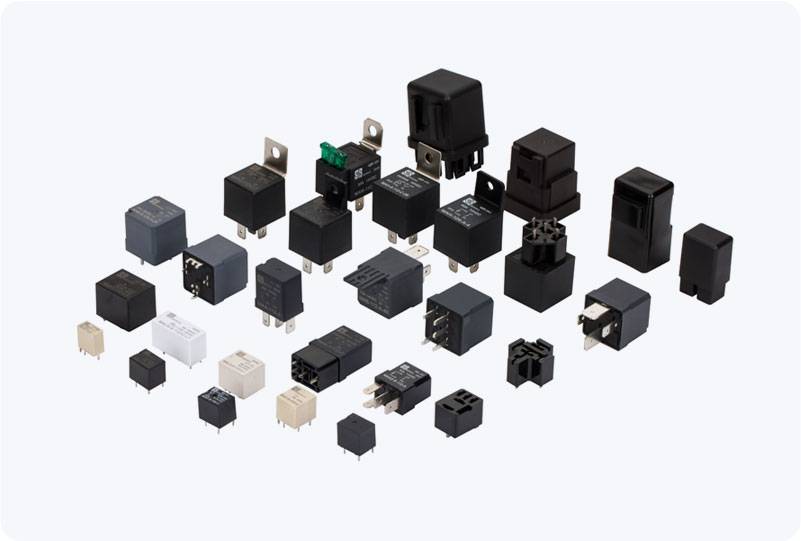
What is a Solid State Relay (SSR)? A Solid State Relay (SSR) is an electronic switching device that performs the same function as a mechanical relay but uses semiconductor components to control the flow of electrical current. Unlike traditional relays, which rely on electromagnetic coils and moving contacts, SSRs use components like TRIACs (Triode for Alternating Current) or MOSFETs (Metal Oxide Semiconductor Field-Effect Transistors) to switch the circuit on or off. These components are controlled by a low-voltage input signal, making SSRs highly efficient and reliable in controlling high-voltage or high-current loads.




 Chat Oline