understanding normally open solenoid valve: a comprehensive guide
Release time:2025-12-01 16:12:17
The Normally Open Solenoid Valve is a fundamental component in a variety of fluid control systems, playing an essential role in industrial automation, HVAC, and process control. These valves are designed to control the flow of fluids—whether gas, liquid, or steam—by utilizing an electromagnetic solenoid to open or close the valve based on the presence of an electric current. This article delves into the functionality, applications, and advantages of Normally Open (NO) solenoid valves, providing a comprehensive understanding of their role in modern fluid systems.
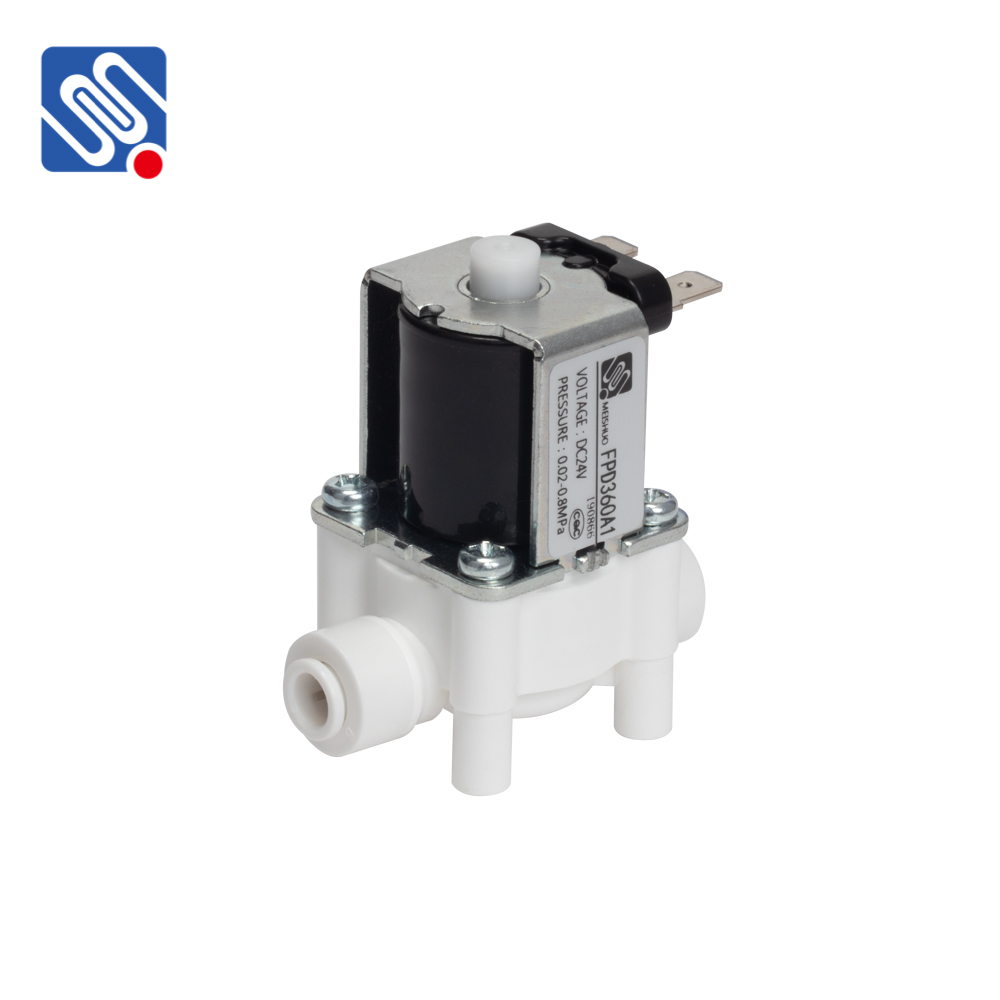
What is a Normally Open Solenoid Valve? A Normally Open Solenoid Valve is a type of valve that remains open when there is no electrical power supplied to it. In other words, under normal, non-energized conditions, the valve allows fluid to pass through freely. When an electric current flows through the solenoid, it creates a magnetic field that causes the valve to close, preventing the flow of fluid. Upon de-energizing, the valve returns to its open position, typically due to a spring mechanism or gravity. The "normally open" designation refers to the valve's default state. It contrasts with Normally Closed Solenoid Valves (NC), where the valve remains closed until an electrical signal is applied. This basic principle of operation makes NO solenoid valves suitable for applications where a system needs to flow continuously by default and can be stopped only when required.




 Chat Oline