understanding the 24v 30a relay: a comprehensive guide
Release time:2025-12-01 16:34:36
Relays are essential components in many electrical and electronic circuits, used to control the flow of electricity in various systems. One of the most commonly used relays is the 24V 30A relay. This type of relay is capable of handling high current and is frequently used in applications where large electrical loads need to be controlled using a low-voltage control signal. In this article, we will explore the working principle, applications, and key features of a 24V 30A relay, providing a comprehensive understanding of this useful electrical component.
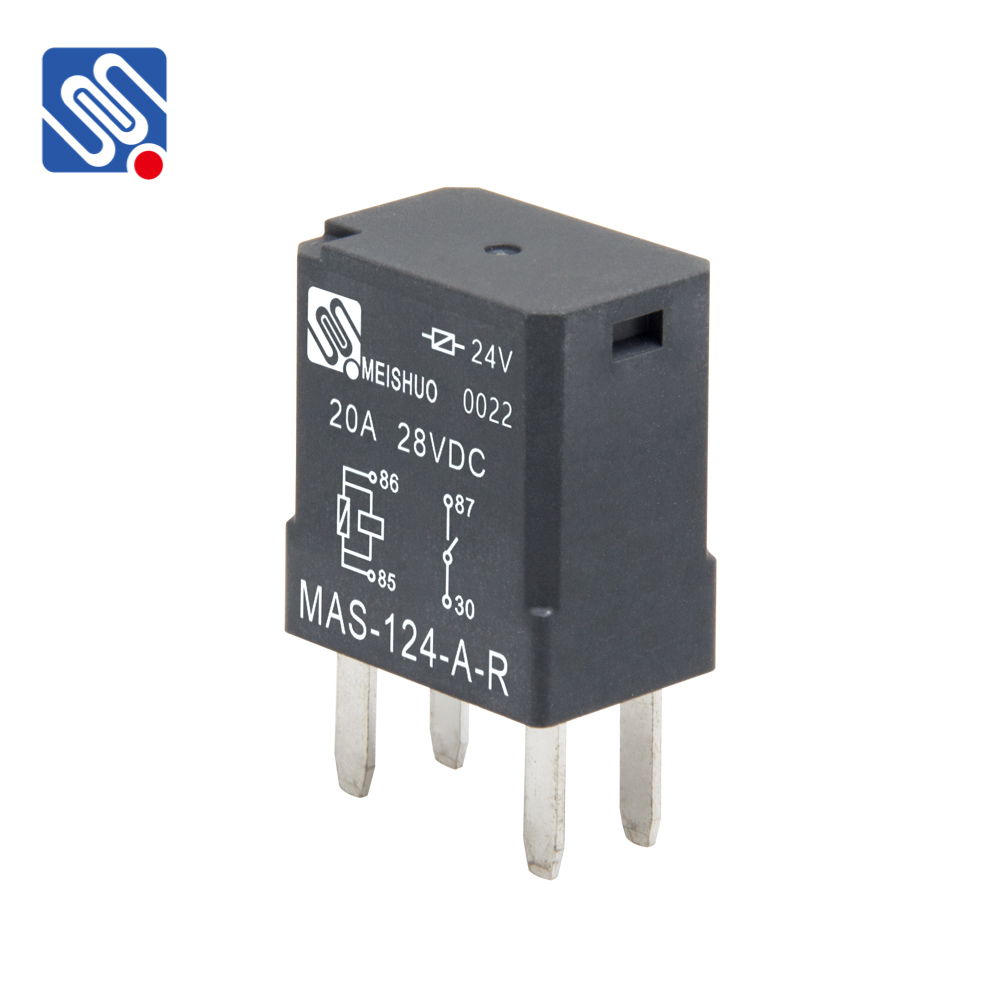
What is a 24V 30A Relay? A relay is an electromechanical switch that is used to control the flow of current in a circuit. It operates by using an electromagnet to move a set of contacts. The 24V 30A relay is specifically designed to work with a 24V DC (direct current) control signal and can switch high-power loads up to 30 amps. The "30A" rating refers to the maximum current that the relay's contacts can handle without being damaged, making it suitable for controlling high-power devices like motors, heating elements, and other industrial equipment. The 24V control voltage makes it a popular choice in automotive, solar power systems, and other low-voltage applications where a low-voltage signal can control larger loads without direct interaction with high-voltage circuits.




 Chat Oline