understanding automation relay: the backbone of industrial automation systems
Release time:2025-12-01 22:16:26
In the fast-evolving world of industrial automation, efficient control systems are essential for ensuring safety, reliability, and productivity. One of the key components of these systems is the automation relay. Often overlooked, but vitally important, automation relays play a critical role in controlling and monitoring electrical circuits, making them indispensable in modern automated industries. This article aims to explore the function, types, and applications of automation relays, shedding light on their importance in today’s technology-driven world.
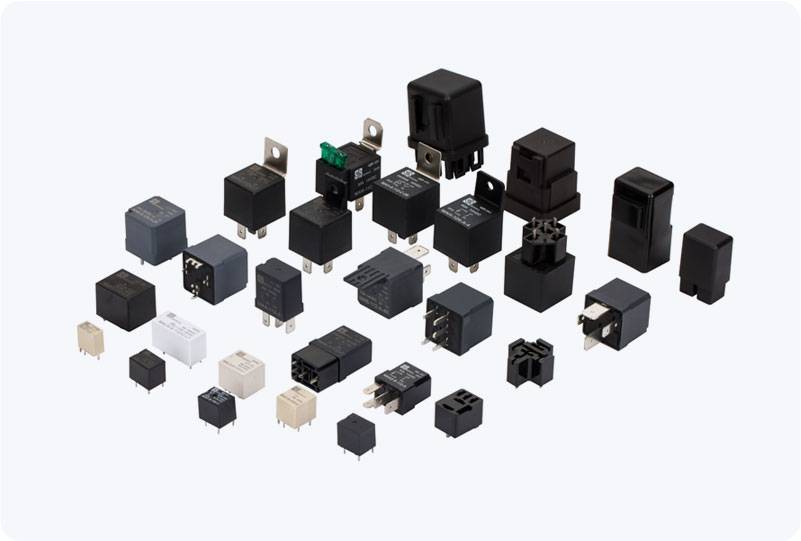
What is an Automation Relay? An automation relay is an electrically operated switch that is widely used in automation systems to control the operation of devices such as motors, sensors, and valves. The primary function of an automation relay is to open or close electrical contacts in a circuit based on predetermined conditions. These conditions could be based on inputs such as temperature, pressure, current, or even time delays. By doing so, relays help automate processes, ensuring that machines or systems function efficiently and reliably. Relays are generally used in conjunction with control systems like Programmable Logic Controllers (PLCs) or distributed control systems (DCS) to execute automated processes with minimal human intervention. The main advantage of automation relays lies in their ability to control high-power circuits using a low-power control signal, thus ensuring safety and operational efficiency.




 Chat Oline