stainless steel and plastic solenoid valve: understanding the key differences and applications
Release time:2025-12-01 22:45:53
A solenoid valve is an electromechanically operated valve used to control the flow of liquids or gases in a variety of industries. The working principle behind a solenoid valve is simple: when electric current flows through a coil, it creates a magnetic field that activates the valve's mechanism, either opening or closing the passage. Solenoid valves come in different materials, two of the most common being stainless steel and plastic. Understanding the differences between stainless steel and plastic solenoid valves is important for selecting the right valve for specific applications.
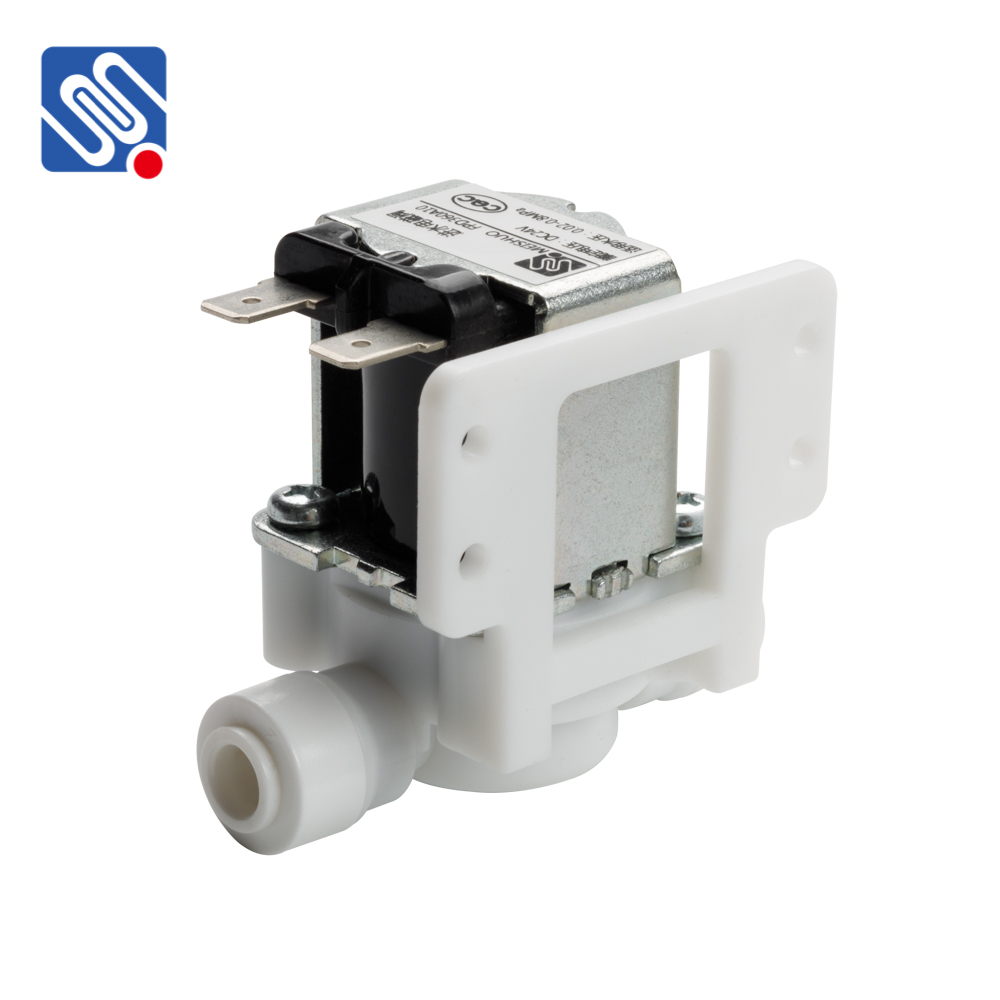
1. Materials and Durability The primary distinction between stainless steel and plastic solenoid valves lies in the material used for construction. Stainless Steel Solenoid Valves: Stainless steel is a strong, durable, and highly corrosion-resistant material, making it an ideal choice for applications that involve harsh conditions. These valves can withstand high pressures, elevated temperatures, and exposure to aggressive chemicals. They are often used in industries such as chemical processing, oil and gas, pharmaceuticals, and food processing where reliability and long-term performance are critical.




 Chat Oline