understanding automotive relays: essential components for efficient vehicle electrical systems
Release time:2025-12-02 06:25:43
Automotive relays are critical components in modern vehicles, playing a vital role in controlling various electrical systems. From headlights to power windows, relays enable low-power circuits to control high-power loads safely and efficiently. This article delves into the function, types, and importance of Automotive relays in ensuring reliable vehicle performance.
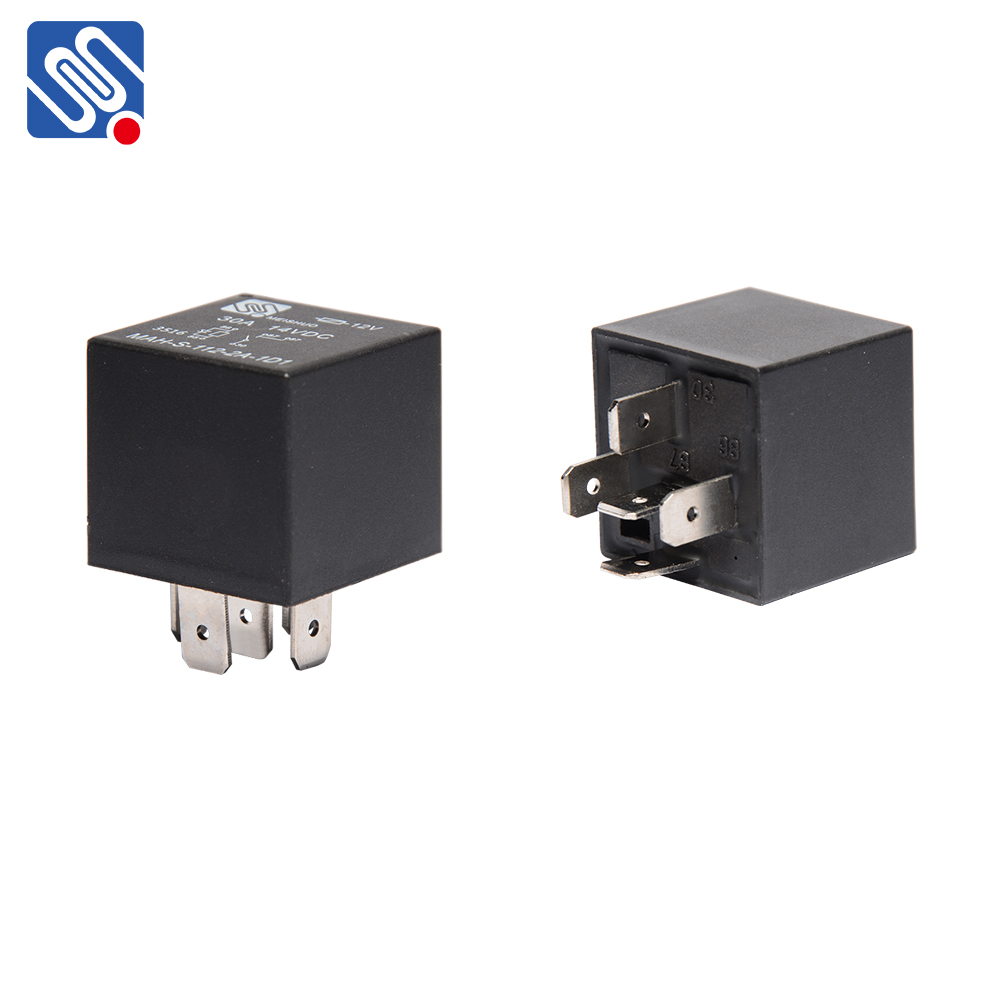
What is an
Automotive relay? An automotive relay is an electromechanical switch that allows a low-power electrical signal to control a higher-power circuit. It functions by using an electromagnet to open or close electrical contacts, providing the necessary control for high-current electrical systems in vehicles. When a small current flows through the relay’s coil, it generates a magnetic field that moves a set of contacts, which in turn opens or closes the circuit. Why Are Automotive Relays Important? In modern vehicles, the electrical load is distributed across many different components. These include safety systems, lighting, infotainment, heating and cooling systems, and more. Many of these components require substantial power to operate. However, directly controlling them using a standard switch or low-power electronic system could be inefficient or even hazardous. This is where automotive relays come into play.




 Chat Oline