ieee standards for industrial relays: ensuring reliability and safety in industrial applications
Release time:2025-12-02 07:28:45
Industrial relays are essential components in modern electrical systems, providing control and protection for a wide range of equipment. They are widely used in industrial automation, power distribution, and protection systems due to their ability to detect faults, control circuits, and safeguard critical machinery. As these systems become more complex and integral to industrial operations, the importance of standards for industrial relays has never been greater. The IEEE (Institute of Electrical and Electronics Engineers) has developed a series of standards to ensure that industrial relays perform reliably, safely, and efficiently in demanding environments. These IEEE standards, such as the C37.90 series, provide guidelines for the design, testing, and performance of relays, addressing factors such as electromagnetic interference, environmental stress, and long-term durability.
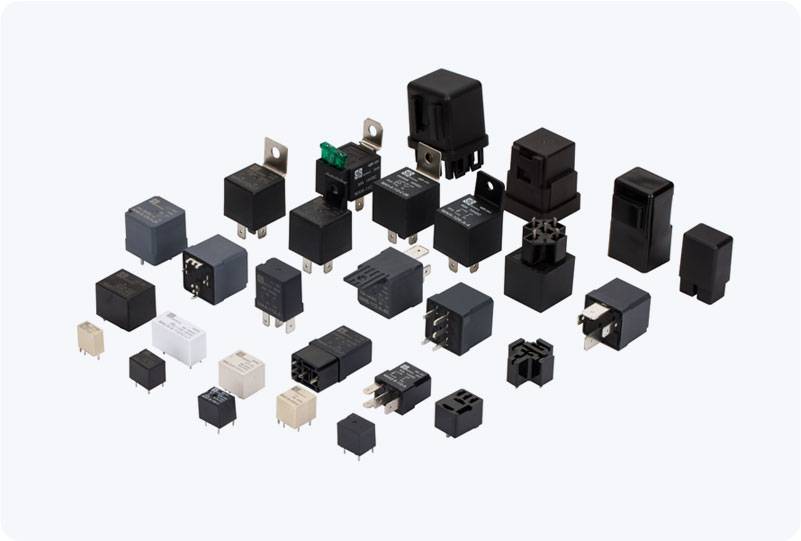
The Role of IEEE Standards in Industrial Relays IEEE standards for industrial relays aim to ensure that these critical components meet high levels of performance and reliability under a variety of operating conditions. These standards address both electrical and mechanical characteristics, focusing on the relay's ability to withstand environmental challenges such as temperature fluctuations, humidity, vibrations, and electromagnetic interference (EMI). The most significant IEEE standards for industrial relays include the IEEE C37.90 series, which consists of several documents that outline testing procedures, environmental tolerances, and electrical requirements for protective relays and control devices. These standards are essential for ensuring that relays are capable of maintaining consistent operation and protecting electrical equipment even in the harshest conditions.




 Chat Oline