understanding ag alloy contact relay: a key component in high-efficiency electrical systems
Release time:2025-12-02 13:21:32
AG Alloy Contact Relays are widely recognized in the realm of electrical engineering and automation for their exceptional performance and durability. Utilizing a unique alloy of silver (Ag) with other metals such as copper, nickel, and sometimes indium, these relays are designed to meet the stringent demands of electrical systems in various industries. This article delves into the specifics of AG Alloy Contact Relays, their construction, benefits, and applications, as well as why they are indispensable in modern electrical circuits.
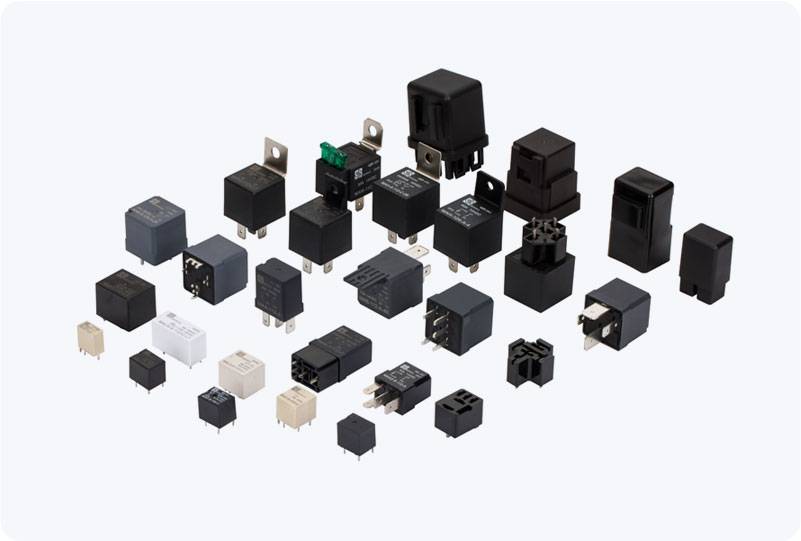
What is an AG Alloy Contact Relay? An AG Alloy Contact Relay is an electrical switch that is operated by an electromagnet. When an electrical current passes through the relay's coil, it generates a magnetic field, causing the contacts to either open or close, depending on the relay's design. The key differentiator of AG Alloy Contact Relays lies in the material used for the contact points—silver alloy. The use of this alloy makes the relay highly efficient in transferring electrical signals, even under high loads and voltages. The silver alloy typically consists of pure silver combined with small amounts of other metals, which improve its mechanical strength and thermal stability. This results in a relay with a higher tolerance to wear and tear, especially under conditions where the relay experiences frequent operations or high currents.




 Chat Oline