


Relay reliability is a critical factor in ensuring the stable operation of both electrical and communication systems. Relays, as fundamental components used for switching, controlling, and protecting circuits, are designed to operate efficiently under various conditions. As these systems grow increasingly complex, the importance of relay reliability has escalated, with businesses and engineers striving to improve the efficiency, durability, and accuracy of their relay systems. This article explores the concept of relay reliability, its importance, and the factors that influence it in both electrical and communication networks.
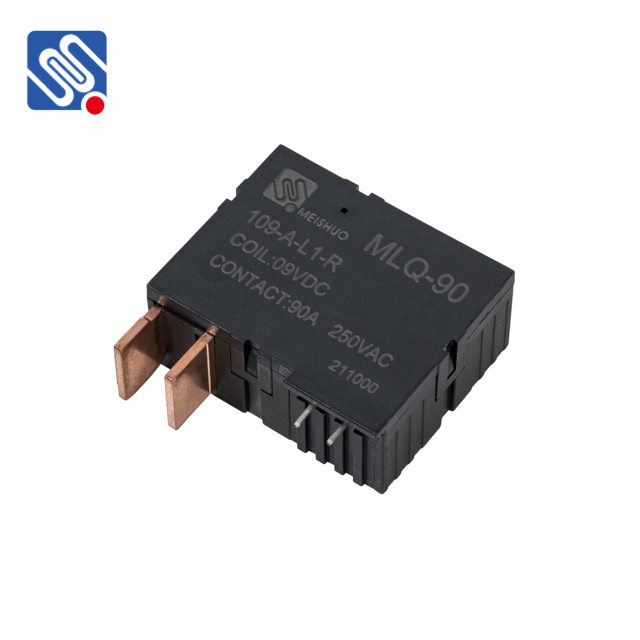
Relay reliability refers to the ability of a relay to perform its intended function without failure over a specified period. It measures how consistently and effectively a relay can switch circuits or respond to signals without malfunctioning, regardless of the operating conditions. In the context of electrical systems, relays are used to disconnect power in the event of an overload or fault, preventing further damage to the system. In communication networks, relays ensure the proper routing of data between devices, making their reliability equally critical.
Relay reliability is not just about the lifespan of a relay; it also encompasses other aspects such as its resistance to wear and tear, its response time, and the likelihood of it performing its function under different environmental conditions.

 Chat Oline