understanding industrial control relay: the backbone of automation systems
Release time:2025-12-03 04:12:24
Industrial Control Relays (ICRs) are fundamental components in industrial automation systems. These devices serve as key elements in managing and controlling electrical circuits, often performing critical roles such as switching high-power loads or providing protection to electrical equipment. In this article, we will explore the design, functionality, types, and applications of industrial control relays, along with their significance in modern industrial processes.
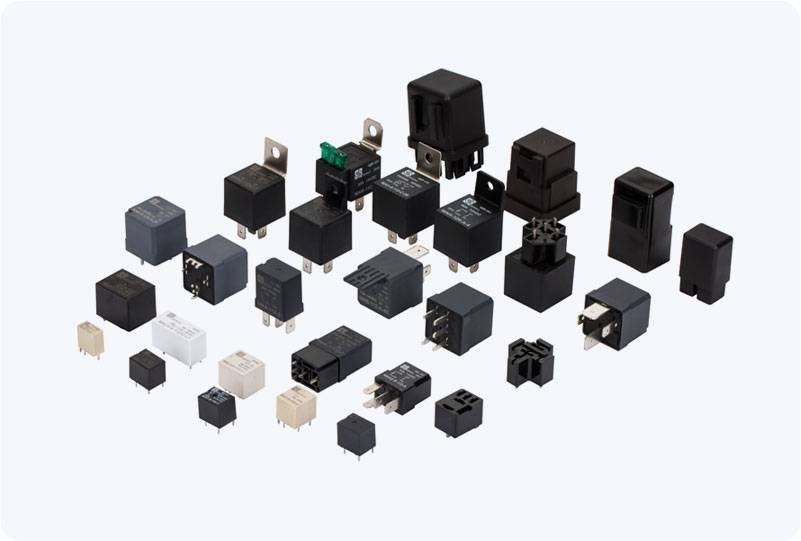
What is an Industrial Control Relay? An Industrial Control Relay is an electrically operated switch used to control a wide variety of electrical circuits in industrial settings. It typically consists of an electromagnet, a set of contacts, and a spring mechanism. When electrical current passes through the coil of the relay, it generates a magnetic field that causes the contacts to either open or close. This allows the relay to switch electrical power to different devices or systems, even when controlled by a low-power signal. Types of Industrial Control Relays Electromechanical Relays: These are the most common type of industrial control relay, consisting of moving parts that are actuated by electromagnetic forces. They are highly reliable and are used in many traditional industrial applications. However, they are not ideal for high-speed or high-frequency operations due to the mechanical wear of components.




 Chat Oline