understanding overload protection relay: a key component for electrical safety
Release time:2025-12-03 04:23:17
In electrical systems, the importance of protection devices cannot be overstated. One such crucial component is the Overload Protection Relay. This relay plays a vital role in safeguarding electrical equipment, particularly motors, from potential damage caused by overloading. Overload protection relays monitor the current flowing through an electrical circuit, and if the current exceeds a predefined threshold, they disconnect the power supply to prevent equipment failure. This article delves into the significance of overload protection relays, how they work, and their applications in various industries.
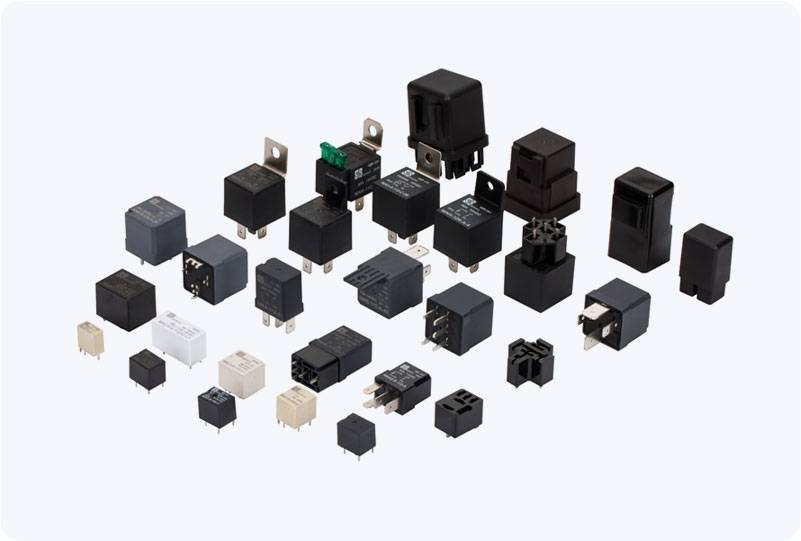
What is an Overload Protection Relay? An overload protection relay is an electrical device designed to protect equipment from damage due to excessive current. The relay continuously monitors the current flowing through a circuit and is programmed to activate if the current exceeds a preset limit. Once triggered, the relay disconnects the electrical supply, effectively preventing potential damage to the equipment. The primary function of the overload protection relay is to avoid overheating of electrical equipment, which can occur when a motor or machine operates under excessive load for an extended period. If not protected, the excessive current can cause electrical components to overheat, leading to insulation damage, component breakdown, or even fire hazards. Therefore, an overload protection relay is essential for preventing costly repairs and ensuring operational safety.




 Chat Oline