relay safety features: ensuring reliable and secure circuit control
Release time:2025-12-03 15:45:00
Relays are essential components in electrical systems, used to control high-power circuits with low-power control signals. They provide an efficient means of switching electrical circuits on and off, and they play a critical role in automation, protection systems, and machinery. However, given the importance of relays in various applications, it is crucial to ensure that they operate safely and reliably. This is where relay safety features come into play.
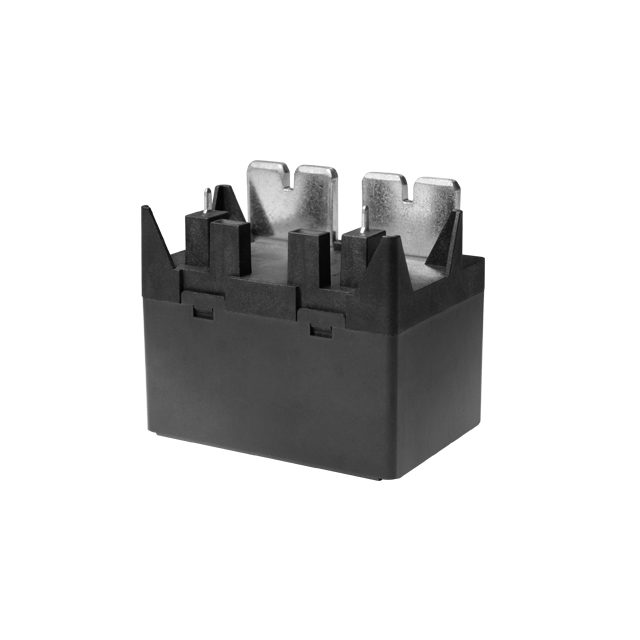
Relay safety features are designed to protect both the relay itself and the overall system from malfunction, damage, or dangerous conditions. These safety features help improve the longevity, reliability, and operational security of electrical circuits. Below, we explore some of the most common relay safety features that are found in modern relay designs. 1. Overload Protection One of the primary safety features in a relay is overload protection. Overload conditions occur when the current flowing through the relay exceeds its rated capacity, potentially causing overheating, damage, or failure of the relay and the circuit. To mitigate these risks, relays are often equipped with overload protection mechanisms such as thermal protection or current-limiting components. These safety features monitor the current and can disconnect the relay if the current exceeds safe limits, thus preventing overheating and potential fire hazards.




 Chat Oline