understanding solid state relay (ssr): a key component in modern electrical systems
Release time:2025-12-03 16:29:24
Solid State Relays (SSRs) have revolutionized the way we control electrical circuits, offering advantages over traditional electromechanical relays in many industrial, commercial, and residential applications. Unlike their mechanical counterparts, SSRs utilize semiconductor components to perform the switching operations, making them faster, more reliable, and longer-lasting. This article explores the fundamentals of SSRs, their working principles, applications, and the factors to consider when choosing one for a particular use.
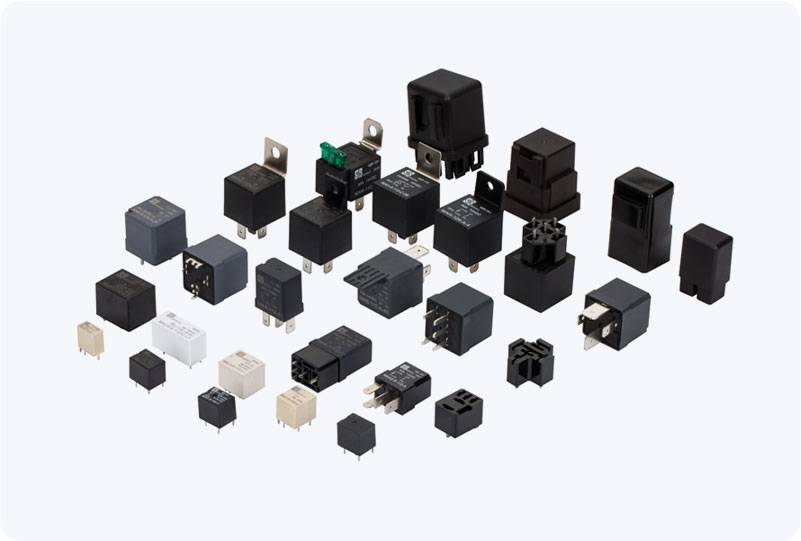
What is a Solid State Relay (SSR)? A Solid State Relay (SSR) is an electronic switching device that uses semiconductor components to perform the switching function of a traditional electromechanical relay. Unlike mechanical relays that use moving parts (e.g., contacts that physically close or open), SSRs rely on semiconductor devices like TRIACs, MOSFETs, or thyristors to manage the switching process. These solid-state components allow SSRs to operate without the wear and tear of moving parts, significantly extending their lifespan. How Does a Solid State Relay Work? The basic working principle of an SSR involves three key components: the input, the control circuit, and the output. The input section of the SSR is connected to a low-voltage control signal (either AC or DC). When this signal is applied to the input, it triggers the control circuit, which in turn activates the semiconductor switch. This semiconductor switch either completes or interrupts the connection in the output circuit, controlling the power to a load.




 Chat Oline