understanding relay wiring: a comprehensive guide to proper wiring techniques
Release time:2025-12-03 19:31:22
Relay wiring is an essential skill for anyone working with electrical systems. Relays, which function as electrically operated switches, allow for the control of high-power devices with a low-power signal. Whether you’re designing an automated system, building a DIY project, or troubleshooting an existing circuit, understanding how to wire a relay correctly is critical. This article will explain the basic concepts of relay wiring, the different types of relays, common wiring methods, and practical applications.
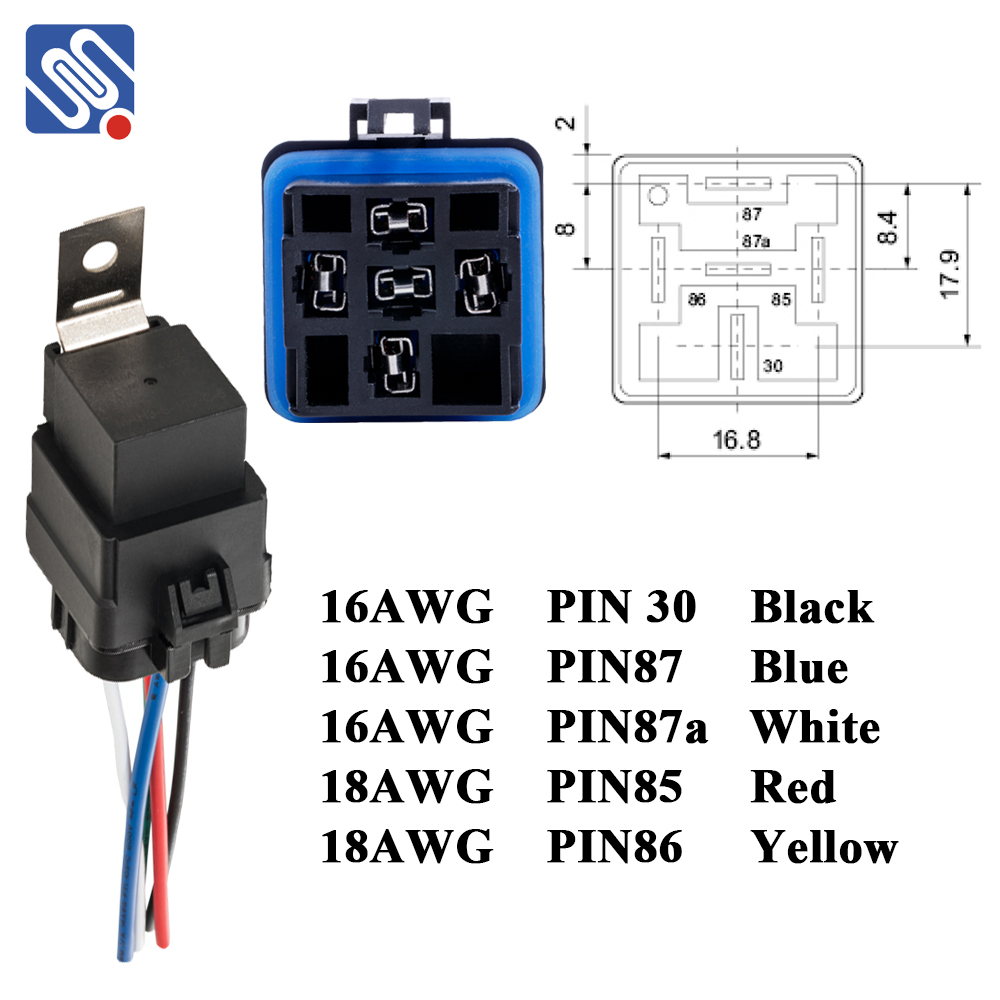
What is a Relay? A relay is an electromagnetic switch that uses a coil to control the connection of one or more electrical contacts. When an electric current flows through the coil, it generates a magnetic field that moves a switch mechanism, closing or opening the contacts. This allows the relay to control high-current devices (like motors, lights, or industrial machines) using a low-voltage control signal. Relays can come in various configurations, such as single-pole single-throw (SPST), single-pole double-throw (SPDT), and double-pole double-throw (DPDT). The configuration dictates how many contacts the relay can control and whether they are normally open (NO) or normally closed (NC).




 Chat Oline