understanding the function and importance of vacuum arc extinguishing relay in electrical systems
Release time:2025-12-03 19:57:52
In modern electrical systems, the protection of equipment and infrastructure from faults such as short circuits and overloads is critical. One of the key components used to ensure this protection in high-voltage environments is the Vacuum Arc Extinguishing Relay (VAER). This advanced technology plays a crucial role in ensuring the safety, reliability, and longevity of electrical systems, especially in environments where high currents and voltages are involved. In this article, we will explore the working principle, features, applications, and advantages of Vacuum Arc Extinguishing Relays in electrical circuits.
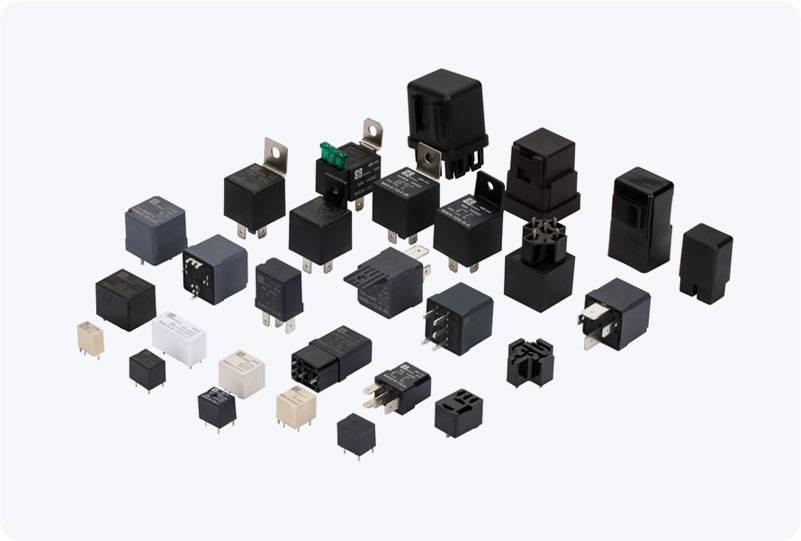
Working Principle of Vacuum Arc Extinguishing Relay The Vacuum Arc Extinguishing Relay functions by utilizing the unique properties of vacuum to extinguish electrical arcs. An electrical arc occurs when a current flows through the air or another medium that ionizes, creating a conductive path. This arc can cause significant damage to switches and other electrical components if not properly controlled. In a traditional air-based switch, the arc can linger, leading to wear and tear on the contacts and possible failure. In contrast, a Vacuum Arc Extinguishing Relay uses a vacuum as the medium. When the relay contacts open, the vacuum environment prevents the arc from maintaining its conductive state, effectively extinguishing it almost instantly. The absence of air or other gases ensures that the arc cannot form a stable path, thereby rapidly quenching it and minimizing the potential damage to the circuit.




 Chat Oline