the ag alloy contact relay: key features and applications in modern electrical systems
Release time:2025-12-03 21:09:42
The AG Alloy Contact Relay is an essential component in modern electrical and electronic systems. Recognized for its high durability and low contact resistance, this relay plays a crucial role in industries ranging from automotive to industrial automation. This article explores the key features, benefits, and applications of AG Alloy Contact Relays, highlighting their growing importance in various fields.
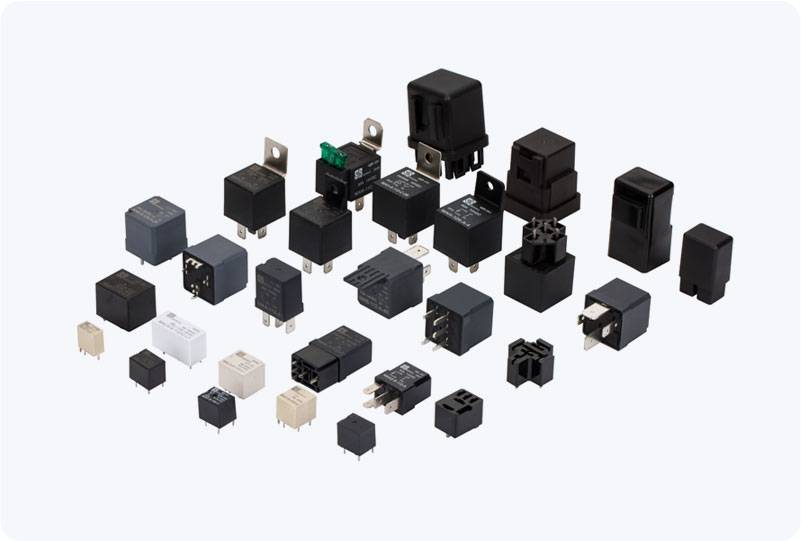
Understanding AG Alloy Contact Relays At the heart of an AG Alloy Contact Relay is its contact material, which is an alloy of silver (Ag) and other metals, such as gold or palladium. These alloys are specifically chosen for their ability to withstand harsh operating conditions, including high voltages and frequent switching cycles. The combination of materials ensures that the relay can maintain a reliable connection even under extreme wear and tear, making it ideal for use in demanding applications. A contact relay is an electromechanical device that opens or closes an electrical circuit under the control of an external signal. The relay typically consists of a coil, an armature, and a set of contacts. When an electric current flows through the coil, it generates a magnetic field that moves the armature, either closing or opening the contacts. The use of AG alloys for the contacts significantly enhances the relay's performance by providing higher resistance to corrosion, reducing the wear on the contact surfaces, and maintaining a stable low contact resistance over time.




 Chat Oline