building water supply solenoid valve: ensuring efficient water management in modern buildings
Release time:2025-12-03 21:41:31
In modern building infrastructure, efficient water management is crucial to ensure that water is delivered to various parts of the building when needed while minimizing waste and maximizing utility efficiency. A key component in achieving this efficient system is the Building Water Supply Solenoid Valve. This device plays an essential role in controlling the flow of water within a building's plumbing system. It acts as an automatic valve that opens and closes based on electrical signals, helping manage the distribution of water in response to demand. This article delves into the working principle, benefits, and applications of the building water supply solenoid valve, highlighting its importance in contemporary building systems.
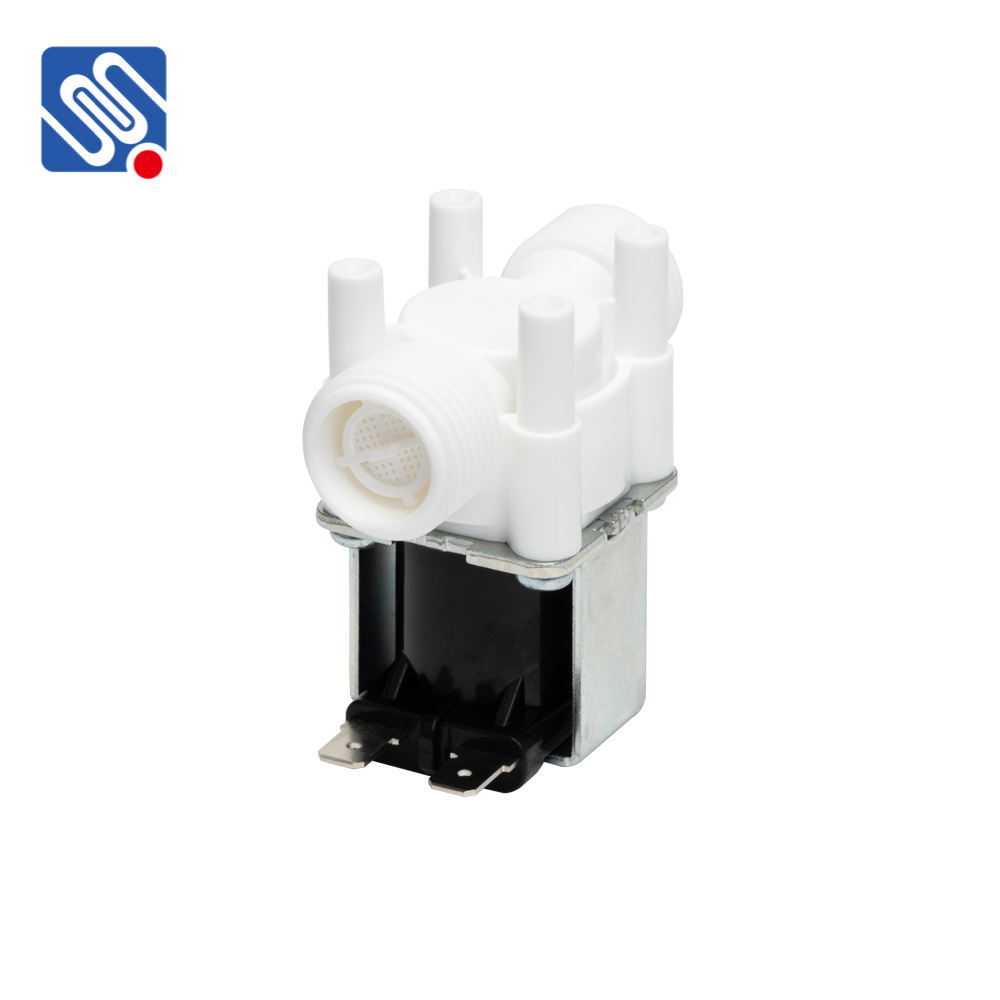
What is a Building Water Supply Solenoid Valve? A solenoid valve is an electromechanically operated valve controlled by an electric current through a solenoid coil. When an electric current flows through the coil, it generates a magnetic field, which either opens or closes the valve, depending on the design of the valve. In a building's water supply system, solenoid valves are used to regulate the flow of water to different areas of the building, ensuring that water is only provided when necessary and avoiding wastage. Typically, these valves are connected to a controller or an automation system that triggers their operation. The controller may be connected to sensors that detect water demand or pressure, activating the solenoid valve when needed. For example, in a building's irrigation system, solenoid valves can be used to open the water flow when the soil moisture level falls below a certain threshold. Similarly, they can be used in water heating systems, preventing overheating by regulating the flow of water based on temperature readings.




 Chat Oline