understanding relay voltage: the role of meishuo in efficient electrical control systems
Release time:2025-12-04 01:03:21
Relays play a crucial role in modern electrical control systems by acting as intermediaries between low-voltage control circuits and high-voltage power circuits. They are essential components in various applications, from industrial machinery to household appliances. One key aspect of relays that must be understood for effective usage is relay voltage, which refers to the electrical potential required to activate or operate the relay. In this article, we will delve into what relay voltage is, how it functions, and highlight the importance of Meishuo in optimizing relay performance.
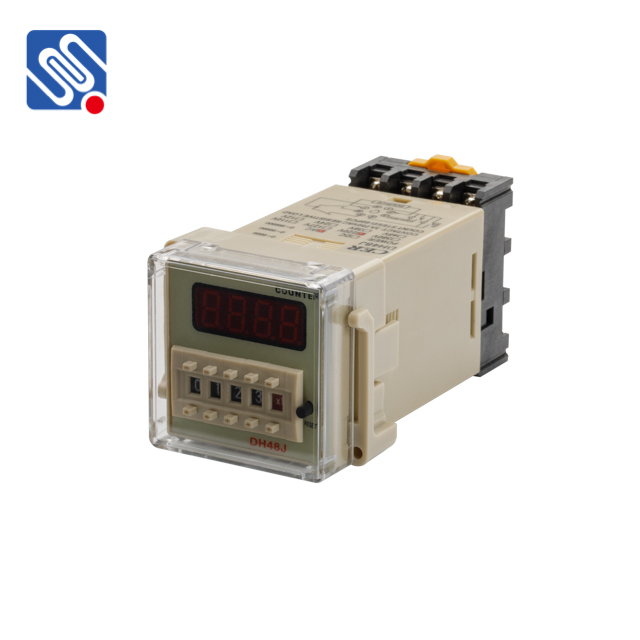
What is Relay Voltage? Relay voltage is the specific voltage required for a relay coil to become energized, creating a magnetic field that activates the switching mechanism inside the relay. The coil of the relay, when energized, attracts or repels a set of contacts, either closing or opening the electrical circuit to control power flow. The relay voltage varies depending on the design and purpose of the relay, and it is important to match the relay voltage with the system's requirements to ensure proper operation. There are two types of relay voltages commonly encountered: AC (alternating current) relay voltage and DC (direct current) relay voltage. The choice between AC and DC relay voltage depends on the application and the power supply used in the circuit. DC relays typically have simpler designs and are more efficient for low-voltage applications, while AC relays are often used in more complex systems due to their ability to handle higher currents and voltages.




 Chat Oline