understanding water solenoid valve: function, applications, and benefits
Release time:2025-12-04 01:18:09
A water solenoid valve is an electrically operated valve that controls the flow of water in various applications. It is a key component in many automated systems, where precise control over water flow is essential. These valves are used to control water supply by opening or closing in response to electrical signals, ensuring that systems run smoothly and efficiently. In this article, we will explore the functionality, types, applications, and benefits of water solenoid valves, highlighting why they are indispensable in modern water management systems.
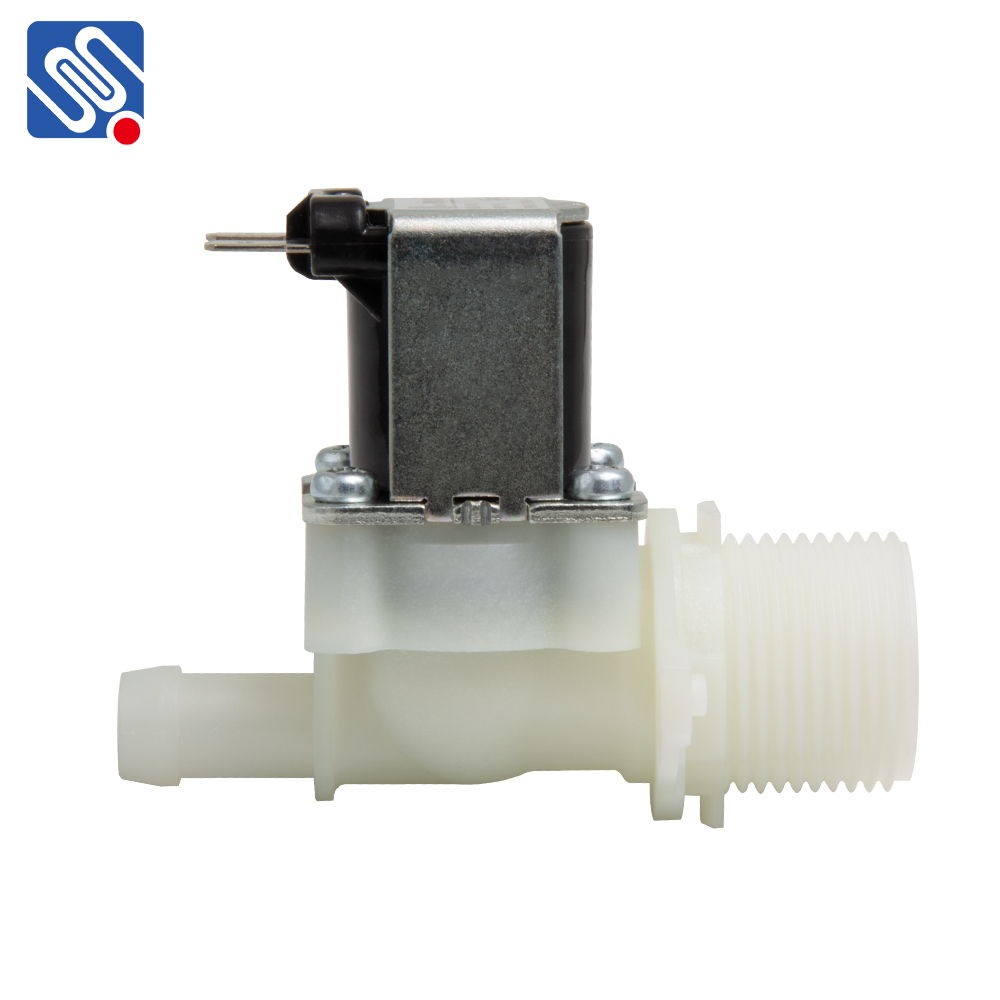
Function of a Water Solenoid Valve At its core, a water solenoid valve operates through the use of an electromagnet, known as a solenoid. When an electric current is applied, the solenoid generates a magnetic field that moves a plunger or piston, either opening or closing the valve. This mechanism allows for precise control of water flow, which is ideal for applications that require automation, such as irrigation systems, plumbing, and industrial processes. The solenoid valve works by either allowing or stopping the water flow based on the signal it receives. This on-off control is crucial for systems where water needs to be delivered at specific times or in certain quantities. The valve can be designed to remain open as long as the electrical signal is present, or it can be closed when the signal is turned off, depending on the system's requirements.




 Chat Oline