understanding plastic solenoid valves: key features, applications, and benefits
Release time:2025-12-04 16:03:06
Plastic solenoid valves are widely used in fluid control systems, offering a reliable and cost-effective solution for regulating the flow of gases, liquids, and other media. These valves utilize an electromagnetic actuator to control the opening and closing of a valve, providing precise control over fluid movement. Made primarily of durable plastics such as nylon, polypropylene, and polycarbonate, plastic solenoid valves are favored for their resistance to corrosion, lightweight nature, and cost efficiency. This article explores the fundamental features, applications, and advantages of plastic solenoid valves, shedding light on why they have become essential components in various industries.
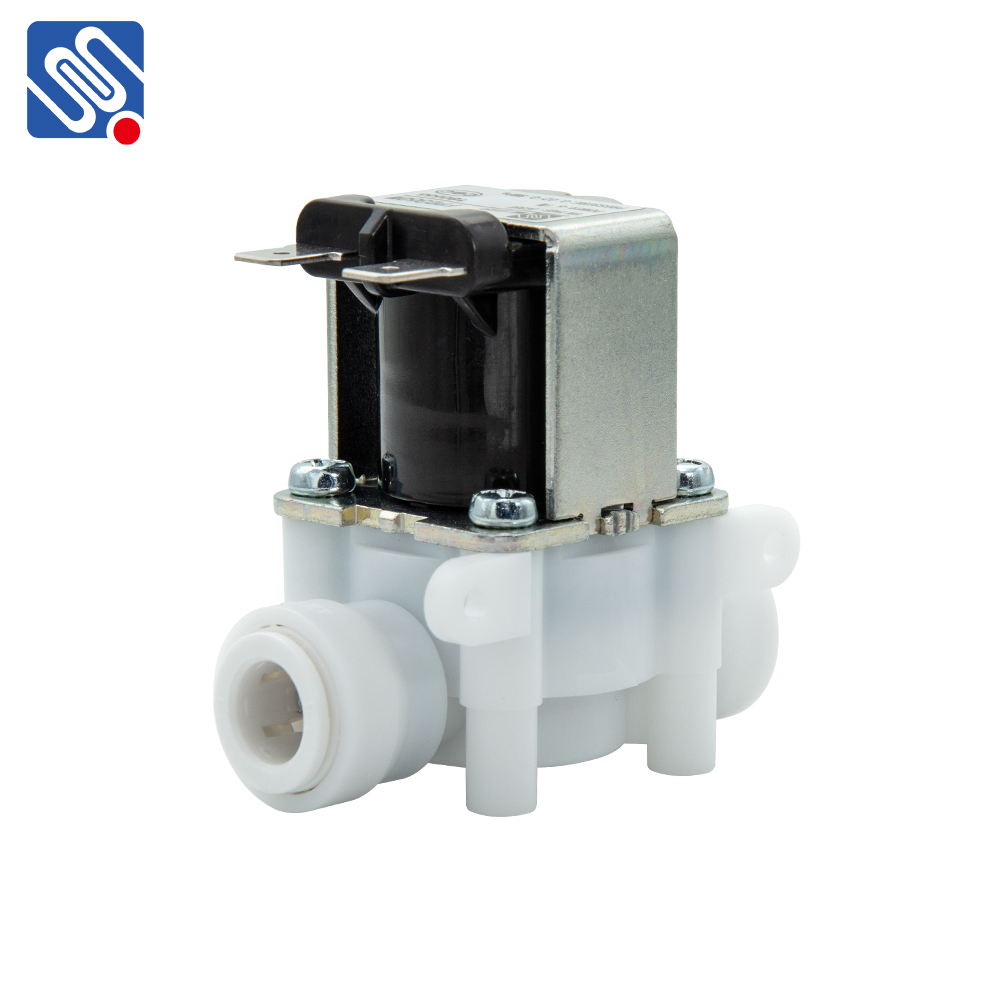
What is a Plastic Solenoid Valve? A solenoid valve is an electromechanical device used to control the flow of fluids in a pipeline or system. It operates by using an electrical current to generate a magnetic field that moves a plunger or diaphragm to open or close the valve. Plastic solenoid valves are constructed using plastic materials for the valve body and other components, which makes them ideal for applications where corrosion resistance and low cost are important. The main operating principle of a plastic solenoid valve involves a solenoid coil, which, when energized, creates a magnetic field that pulls or pushes the valve’s internal mechanism. This movement either opens or closes the valve, allowing or stopping the fluid flow. In de-energized states, a spring mechanism or a similar passive element might keep the valve closed or open, depending on the design.




 Chat Oline