understanding leakage current relay: essential protection for electrical systems
Release time:2025-12-04 17:02:34
Leakage Current Relay (LCR) is a crucial component in modern electrical systems, providing essential protection against electrical hazards such as leakage currents, electrical shock, and fire. This device monitors the flow of current within electrical circuits, detecting any imbalance or abnormal leakage. When the leakage current surpasses a predefined threshold, the relay automatically disconnects the circuit, preventing potential damage or safety risks. As electrical systems become more complex and integrated into various industries and homes, understanding the importance of LCR and its applications is vital for ensuring safety and operational efficiency.
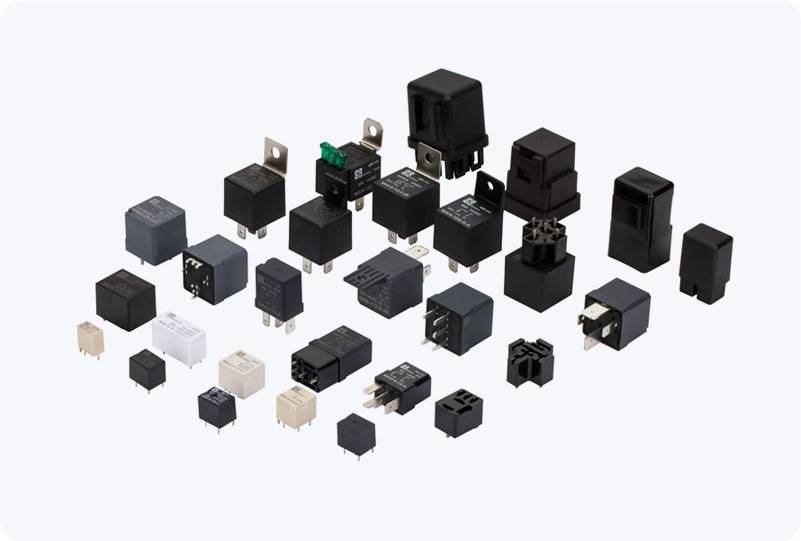
What is a Leakage Current Relay? A Leakage Current Relay is an electrical safety device designed to detect leakage currents in an electrical system. Leakage current refers to the small amount of current that escapes from a conductor or electrical system and flows to the ground, typically due to insulation failure, faulty wiring, or damage. Although the amount of leakage current is often low, if left unaddressed, it can lead to severe consequences such as electrocution, equipment failure, or even fires. The primary function of a Leakage Current Relay is to monitor the current in the system continuously. It measures the difference between the current flowing through the live (hot) and neutral conductors. If any leakage current is detected that exceeds a preset threshold, the relay acts by disconnecting the electrical circuit to mitigate potential dangers.




 Chat Oline