understanding the 220v 30a relay: key features and applications
Release time:2025-12-04 21:20:24
Relays are critical components in the world of electrical engineering and automation, providing a reliable and efficient means of switching high-power circuits using low-power control signals. Among the various types of relays, the 220V 30A relay stands out as a robust solution for controlling high-voltage and high-current applications. This article explores the key features, working principles, and applications of the 220V 30A relay, helping users understand why it is an essential tool for a variety of electrical systems.
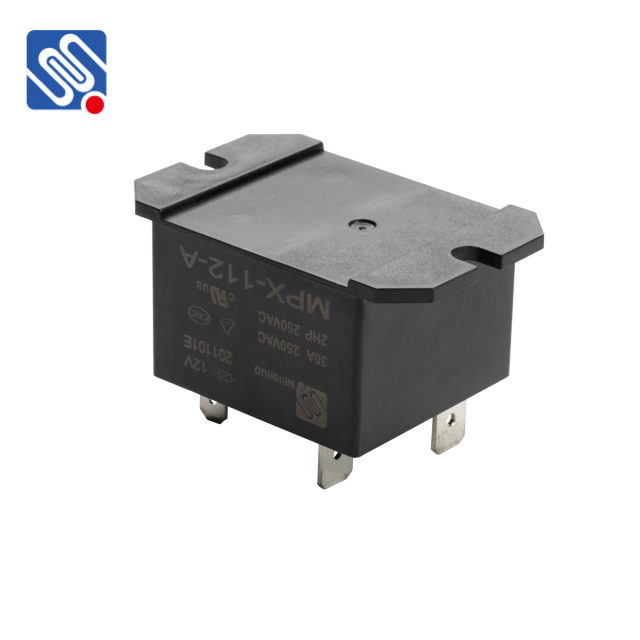
What is a 220V 30A Relay? A 220V 30A relay is an electromechanical switch that operates on 220V alternating current (AC) and is designed to handle up to 30 amperes of current. Relays like these are used to control large electrical loads such as motors, heating elements, and industrial machinery. The relay functions by using a low-power signal to control a high-power circuit, making it a vital component in numerous industrial and residential applications. Relays are designed with a coil, a set of contacts, and a spring mechanism. When a current flows through the coil, it generates a magnetic field that pulls or pushes the contacts together, completing the circuit. When the current is turned off, the spring returns the contacts to their default position, breaking the circuit. This on/off switching capability is ideal for automation, protection, and control systems.




 Chat Oline