stainless steel and plastic solenoid valve: a comparative overview of materials and applications
Release time:2025-12-04 21:28:01
Solenoid valves are widely used in fluid and gas control systems across various industries. They function by using an electromagnetic solenoid to control the opening and closing of a valve, regulating the flow of liquids or gases through pipes or hoses. Two of the most commonly used materials for solenoid valves are stainless steel and plastic. Each material offers distinct advantages, depending on the application requirements such as pressure, temperature, fluid type, and environmental conditions. In this article, we will explore the differences, applications, and advantages of stainless steel and plastic solenoid valves.
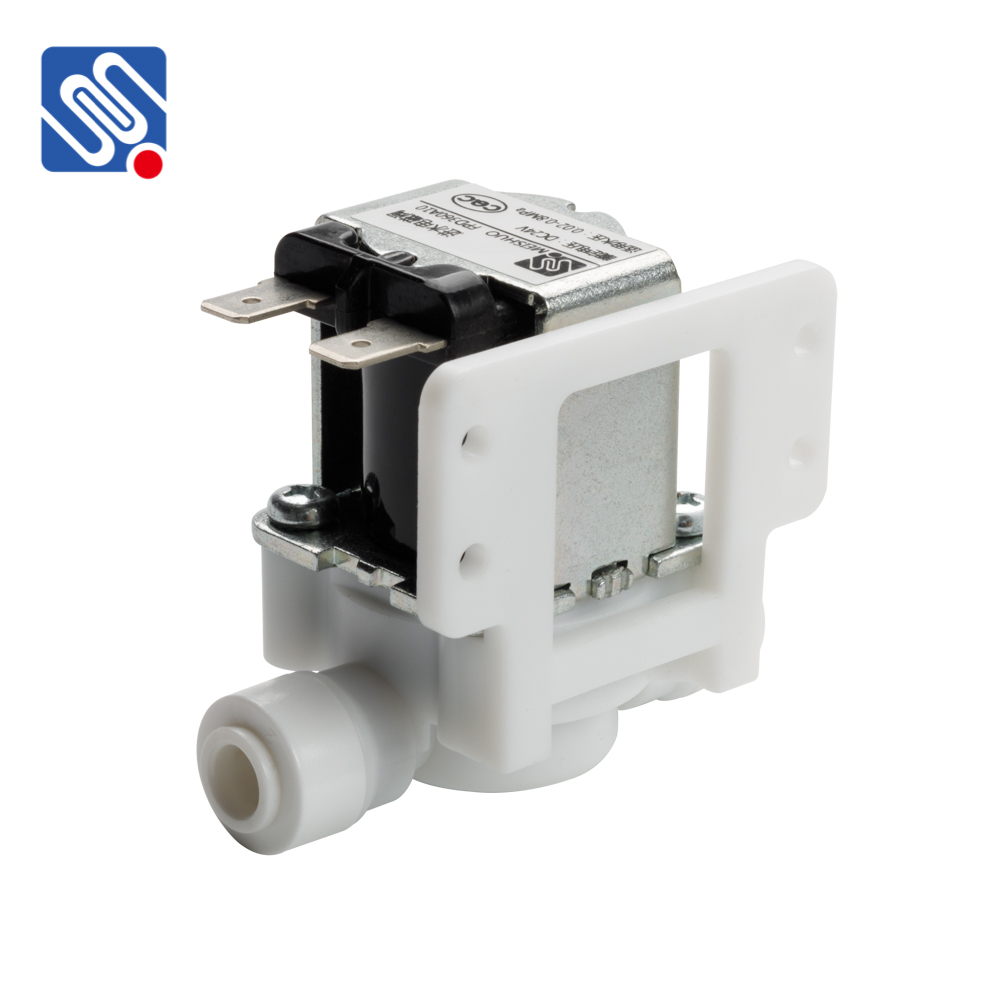
Stainless Steel Solenoid Valves: Strength and Durability Stainless steel solenoid valves are known for their robustness and resistance to corrosion, making them ideal for demanding industrial environments. The material is particularly suited for applications that involve high pressure, high temperature, or corrosive fluids. Stainless steel valves are designed to withstand the most aggressive chemicals, such as acids, oils, and saline solutions, without degrading over time. These valves also offer a longer service life compared to their plastic counterparts, making them an excellent choice for critical applications where reliability and durability are paramount. Stainless steel solenoid valves can typically operate in temperatures ranging from -200°C to 800°C, depending on the grade of stainless steel used. This broad temperature tolerance makes them highly versatile and suitable for industries such as chemical processing, food and beverage, pharmaceutical manufacturing, and oil and gas.




 Chat Oline