understanding the dual relay module: applications and benefits
Release time:2025-12-05 02:47:00
The Dual Relay Module is an essential tool for anyone working with microcontroller systems such as Arduino, Raspberry Pi, and other embedded devices. This small but powerful module allows low-power microcontrollers to control high-power electrical devices, expanding the scope of automation and control projects. In this article, we will explore the features, functionality, and various applications of the Dual Relay Module, highlighting its importance in modern electronic systems.
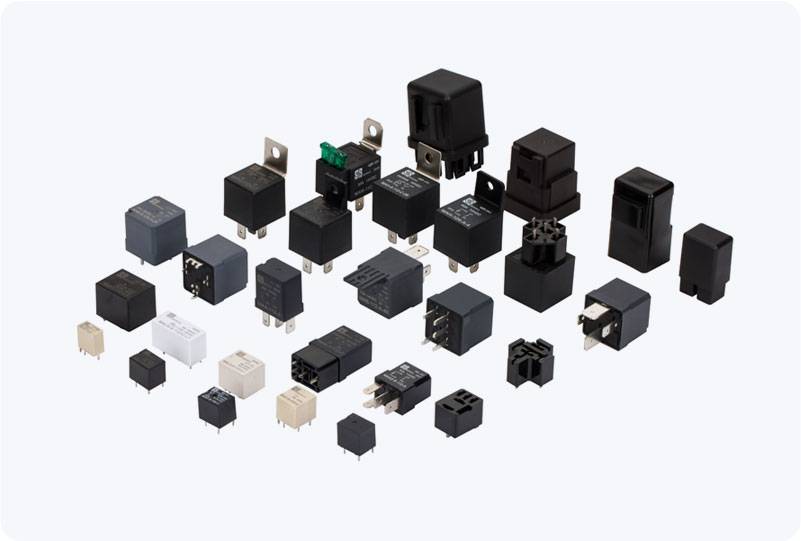
What is a Dual Relay Module? A Dual Relay Module consists of two relays embedded into a single board, which are typically controlled via a microcontroller. These relays act as electrically operated switches that can control devices with higher current and voltage than the microcontroller can handle directly. Relays provide electrical isolation, allowing safe control of high-power devices with low-power control signals. How Does a Dual Relay Module Work? At its core, the Dual Relay Module works by receiving control signals (usually HIGH or LOW voltage) from a microcontroller. These control signals activate the relays, which then either open or close a circuit to control external devices.




 Chat Oline